Frozen fixtures

I took my little dog, Dayna, for a walk in my favourite sports field the other day.  Recently it has been too muddy to walk on the grass but today it was frozen rock hard.  The trees around the field looked amazing, their bare branches covered in frost.  There was also a heavy mist which gave the whole place a surreal quality.   Great for dog walking but no good for playing football!

Hoar frosted pitches

on a frozen field; fog bound

fixtures abandoned

frosty football pitch

Desert

Sahara Marathon ~ ultra long distance race in the desert’.

We had a great speaker at WI who fits in beautifully with our Haiku Heights prompt word for this week, Desert.

Tortuous terrain,

Melancholy Marathon,

Desert of Despair

Celia Hargrave, talked about her experience of running in The Marathon Des Sables.  No British woman had ever taken part in the race and it was advertised as “The Toughest Footrace on Earth”.  Both of these factors were a challenge to Celia so she decided to sign up!

Celia running near her home

Celia is quite an amazing woman.  She is over 60, a former head teacher of a large Birmingham school, and a member of Sheepscombe WI.  Like many WI members, Celia contributes hugely to her community.  She is a magistrate, a fundraising co-ordinator for Sheepscombe Village Hall, and she and her husband open their garden for the National Garden Scheme.  Her garden is about 3 acres set in small woodland with panoramic views.  She has a variety of herbaceous and mixed borders, a rose garden, extensive vegetable plots, and wild flower areas, plantings of spring bulbs with thousands of snowdrops and hellebores, a woodland walk, 2 small ponds, a waterfall and a larger conservation pond.  There are also wooden sculptures in the garden, which is all grown on organic principles.

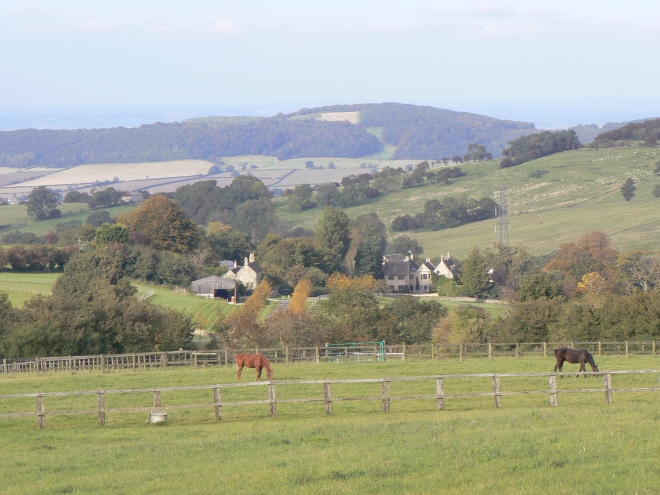
Panoramic View from Celia’s garden ~ Trench Hill

And, as if that were not enough, Celia co-ordinates a club for the elderly and housebound in her area!

Celia had run before competitively in the Stone Masters Marathon, The Chelmsley Wood 24 hour track Race, the London Marathon in 2 hours 46 minutes, London to Brighton Race and Lands End to John O’Groats so she was no novice!  Her longest distance was over 120 miles for which she was ranked sixth in the world. However the Sahara Marathon or MDS is a 6 day 243 km or 151 mile endurance race in which all competitors have to carry everything they need for their survival.  So this was to be an enormous challenge.

Celia sought medical advice and drew up a training programme which involved running every day.  She did some 50 mile races for charity and started to raise money for her challenge.  Fortunately Celia’s own WI at Sheepscombe organised her fundraising and got TV, radio and press coverage for her.  In order to adapt to running in extreme dry heat conditions, Celia started running in her local sauna!  This caused some consternation among other spa users but helped Celia get used to taking in fluids while running.

Eventually Celia took off for Casablanca in Morocco and travelled to Ouarzazate to meet the other competitors.  The majority seemed to be French that year but there were 20+ from the UK.  Other competitors came from all over the world.  They spent one wonderful night in a 5 star luxury Moorish hotel before setting off on a coach out into the desert.  After several hours they had to get off the coach and walk the rest of the way to their campsite.  Two things that impressed Celia there were the desert orchids and a woman in red high heeled shoes both of which seemed incongruous!

The campsite seemed to be in two halves: one for the competitors, which was very basic; and one for the non-competitors, which was comparatively luxurious.  Celia was sharing a ‘tent’ with 12 to 14 men and women competitors and they had very little space.  In the tent they had to store everything they had brought and carry it on their backs in a rucksack daily.  The rucksack was to be no more than 7 kilos in weight when filled.  Celia had reduced her packing to a minimum but still had to carry her map, day book, compass, medical kit, sleeping bag and food.  Each competitor was allowed 9 litres of water a day which was rationed and given out at each checkpoint along the way.  The 9 litres was for everything ~ drinking, washing clothes and self!

When at last the first day of the race proper arrived, the tent was removed at 6.30am ready to be transported to the next stopping point 15 miles away.  As the temperature can quickly reach 120°F Celia was hoping for an early start, and was not happy to be kept hanging around for hours in the heat.

The Marathon Des Sables is run in sections over 6 days, or 7 for some slower runners.  This is the equivalent of 5½marathons.  That is a speed of between 3 and 14km an hour.  Competitiors can be aged between 16 and 78 years old.

Day 1 ~ 25 km, Day 2 ~ 34km, Day 3 ~ 38km, Day 4 ~ 82km, Day 5 ~ 42km, Day 6 ~ 22km

Celia described the terrain on the first day as ‘dunettes’ and the second day as much higher dunes.  Over the course of the race she would run on sand, rock, dried river beds, oases and dunes. She remembered the wind as well as the heat; but her abiding memory was of the horizon which never seemed to get any closer, and the breathtaking vision of a huge sky where every star was visible because of the total darkness.

By the third day Celia had developed a blister which was treated with iodine in the medical tent.  This was so painful that she determined not to go back there again.  The heat and rubbing really takes its toll on the feet.  Some competitors lost nails or got infections in blisters which can put them out of the race.

Day 4 was a rest day. Then day 5 was the toughest day.  It took Celia 13 hours of non stop running/walking to cover the 50 miles of barren wilderness.  Some competitors had to run right through the night, some taking 32 hours altogether to cover the 50 miles.  Celia had the deepest admiration for these slower runners for their self discipline, determination and sheer perseverance.  Those who know reckon that, while physical fitness is really important,  mental stamina constitutes at least 50% of whether competitors finish the race or not.

By this time Celia was on a high and pleased to be coping so well.  She was way ahead of some competitors, male and female.  But on day 6 all that changed.  Instead of relying on her compass, Celia took a route that others seemed to be following.  This led her to high rocky ground and a precipice which she fell over.  Amazingly her rucksack got wedged in the rocks.  Celia became disorientated, being in pain and in shock.  She began hallucinating.  However she managed to release her bag and carried on a further 11 miles to the end of the stage.  All the time she was worried and anxious in case she could not finish.  But at last she arrived on the tarmac road which marked the last kilometre leading to the finish at the small town of Tazzarine.  Here Celia kissed everybody she met with sheer relief.  She was then taken by jeep to a mud house with a fireplace in the wall and a wellspring of hot water.  This she played in, delighting in being clean for the first time in a week.  She then had some food and was taken by coach back to a hotel for a celebratory Gala Dinner.  It turned out that Celia was 1st among the UK entrants, beating all the men as well as the women.

It was later discovered that the fork in Celia’s rucksack had stuck in her back during her fall over the precipice causing the injury which was causing her so much pain.

Celia has done two other desert events since then, one being the Trans 333, a 208 mile race which she did in 86 hours with only two lots of two hours sleep.86 hours!

She truly is inspirational.

Celia at a checkpoint in the desert

Trees Haiku

A Handkerchief tree at Minterne Gardens in Dorset

I am fascinated by trees, not only for their beauty, but for the stories they could tell.  Some trees have lived through amazing times and been part of the lives of such interesting people.  If only they could talk!

This week I went to the city with a couple of friends. We visited two wonderful museums and wandered along the streets of London where the trees are at their glorious Autumn best.  We strolled along the Embankment beside the River Thames and marvelled at the changing skyline.  I was struck by the juxtaposition of old buildings and new, especially the magnificent Shard which is so close to the old St Thomas’s.  It is a breathtaking sight and a brilliant feat of engineering.  Yet even in front of this awesome glass building my eyes were drawn to a row of trees nearby.

Consumed by the clouds

Engineered to perfection

A giant in glass

The Shard with trees in the foreground

The enormous Shard disappearing into the clouds

Sheer face of the Shard

Glass monument to mammon

Shatters the skyline

View of the Shard from St Thomas’s

One amazing tree I have seen is an ancient olive tree at the site of St Francis of Assissi’s remote hermitage, the Eremo delle Carceri on Mount Subasio.   Olive trees are the longest living trees.  Indeed in good conditions some live to a thousand years old.  This tree is one of them.  It is protected and propped up by poles.  I find it breathtaking to think that St Francis actually touched this tree, walked by the stream and slept in the cave, all of which can still be seen.  I found it very moving when I visited in 2000 and I have to admit to picking some leaves from the tree.  I have pressed them and kept them in my travel journal from Rome and Assissi.  St Francis lived a simple life and slept in the cave on a bed of stone and a pillow of wood.  Some of his followers lived there as hermits too in prayer and meditation.  The warren of caves still exists in a clearing with a stream and lots of trees.

The ancient Olive Tree that St Francis would have seen

Birds stopped to listen

As the humble hermit preached

At one with the trees.

Leaves from the Olive Tree on Mount Subasio

An early picture of St Francis of Assissi

St Francis’s cell in the cave at Mount Subasio

Olive Trees in Italy

Another tree that inspires me is the Mulberry tree which was in the garden of St Thomas More’s home when he was Lord Chancellor in the time of King Henry V111.  Sir Thomas More, as he was then, bought some land in Chelsea and Kensington in 1524 in order to build his Great House.  Sadly his house is long gone, but the Mulberry tree he planted is still there.  On the site today is Allen Hall, the Seminary of the Roman Catholic Archdiocese of Westminster.  Visitors can visit the seminary by appointment and walk to the secluded walled garden where Thomas More’s Mulberry Tree still stands.  Outside and nearby is a beautiful statue of St Thomas More in a garden facing the river Thames.  In the grounds of Tewkesbury Abbey near where I live there is a Mulberry tree grown from a seed from St Thomas More’s tree.  I often visit this tree and sometimes pick the delicious fruit.

Mulberry Tree at Tewkesbury Abbey

Tewkesbury Abbey and Trees

Portrait of St Thomas More

He planted his tree

And dreamed of Utopia

In turbulent times

The Yew trees in the beautiful village of Painswick in the Cotswolds are also very interesting.  There are 99 of them in the grounds of St Mary’s Church and many of them are hundreds of years old.   They lived through the English Civil War (1642-1645).  There is evidence of Royalist cannonballs high up on the walls of the church to this day.  At times people have tried to establish more Yew Trees in the churchyard but a hundredth will never grow.  It seems as if 99 is the maximum for some reason.  There is an old story that if a hundredth tree ever grows, the devil would pull it out.  It is one of our old Cotswold mysteries!

Last but by no means least, is a historic small-leaved Lime tree at Westonbirt which is unbelievably ancient.  It is reputedly 2000 years old!  It is so big that it seems as if it is many trees.  However, it is actually a clump of around 60 trees all growing from one original.  This was the result of coppicing which was a way of managing woodland for fuel established in Anglo-Saxon times.  Over hundreds of years of repeated cutting, the stump gradually spreads outwards in a ring until it reaches enormous proportions.  My photo does not do it justice!

Ancient Lime tree at Westonbirt

Nature

Having just come back from a restorative week in the log cabin by the fishing lakes, I am full of the sights and sounds of nature. So I have written for this week’s Haiku Heights prompt word which very conveniently is Nature!

Alone with my thoughts

Recharging my batteries

Immersed in nature

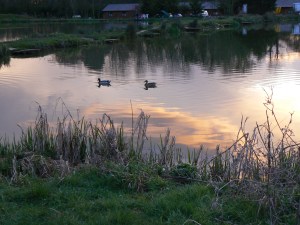
Sunset at Hillview

Walking in woodland

I catch glimpses of heaven

Revealed in nature

Butterfly in the Forest of Dean

Cormorants circle

Round reservoir full of fish

And herons hover

A cormorant resting

In ancient woodland

Birch, Rowan and Oak survive

And sweet chestnuts thrive

Forest of Dean at Lindors Country retreat House

Mosses and lichens

Green carpeted forest floor

Celtic rainforest


The Forest of dean

Is a haven for wildlife

As nature intended

Tears

Today’s haiku is inspired by carpe Diem prompt word “tears”.  It reminded me of the magnificent waterfalls in the Caucasus mountains where hundreds of prisoners lost their lives hacking a way through the mountain to build a road.  One of the waterfalls is called “Lady’s Tears”

From steep mountainside

The Lady’s tears waterfall

Weeps for past sorrows

Image

Haiku for Carpe Diem

This haiku is inspired by a wonderful haiku by Basho, a haiku master.
This one he wrote in Spring 1687 and it had a title. In that time a title for a haiku was a commonly used practice. The title of this haiku was: ‘Mourning over the death of Priest Tando’.

chi ni taore ne ni yori hana no wakare kana

falling to the ground
a flower closer to the root
bidding farewell

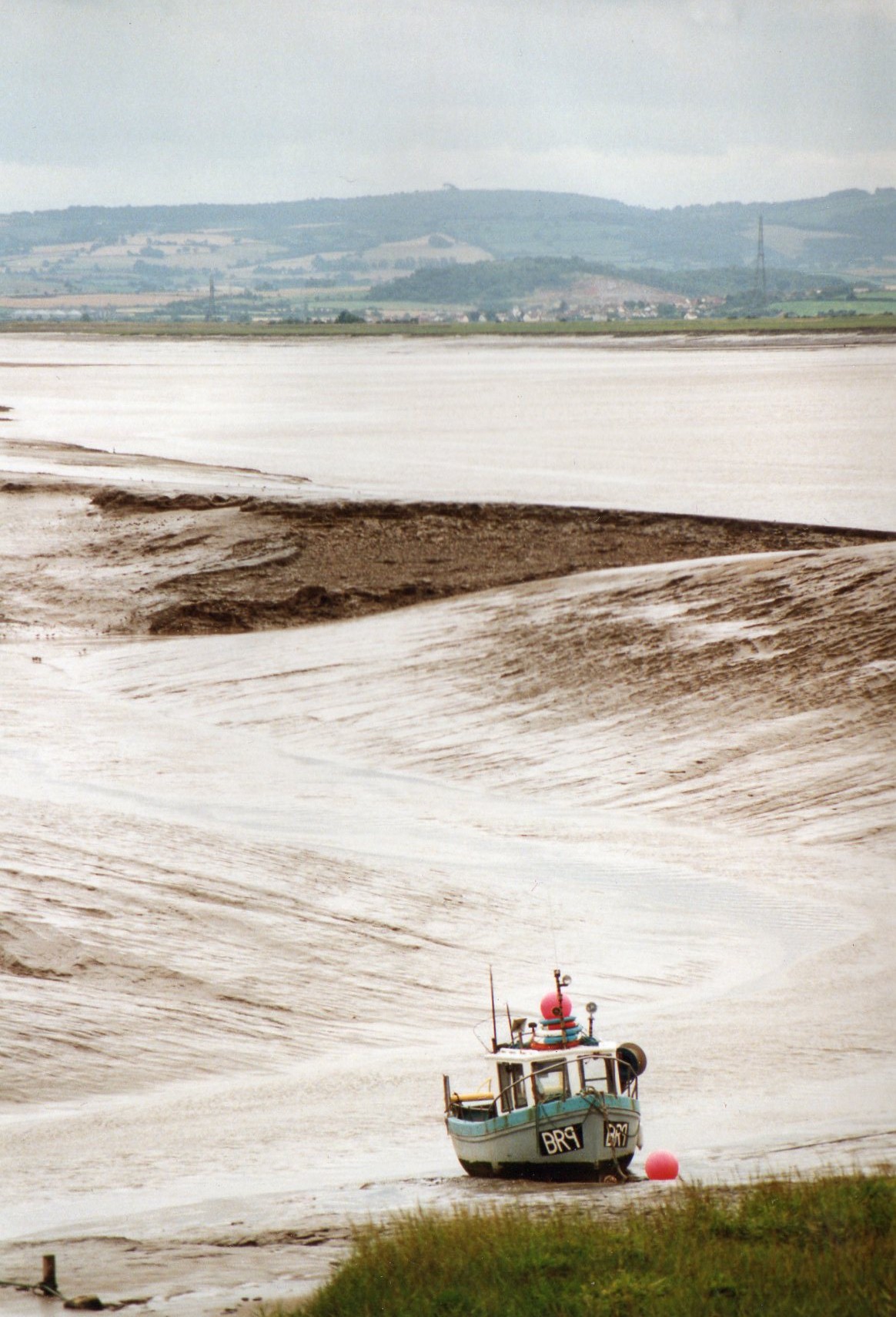
Mired in the mud

Moored to bright  orange buoys

Awaiting the tide

 Image

Caught fast in the thorns

Bleeds a bright splash of colour

Autumn accident

Image

Autumn haiku

These haiku are inspired by Haiku Heights prompt ~ Conscious

Conscious commitment

Finding fulfilment

Committed to following

A creative path


Conscious of time passing

Dog days are over

Awesome autumn has arrived

Attracting the crowds

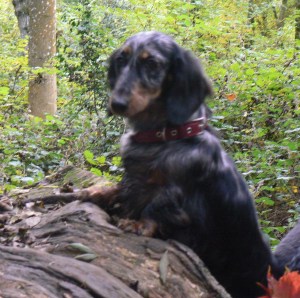
Dayna ther dachsund

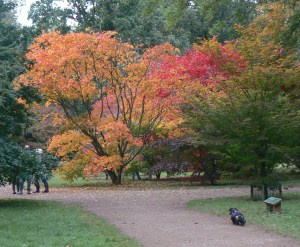
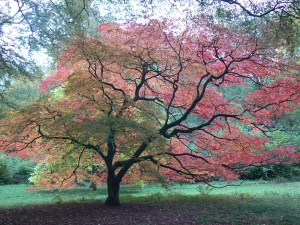
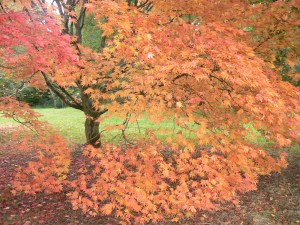
Conscious of colours

Japanese jewels

Seasonal spectacular

Autumnal Acers


Conscious of nature

Conscious of nature

Arboretum in autumn’s

cascading colours


Haiku ~ Shroud and Home

I am following Haiku Heights’ weekly prompts in October.  Last week’s word was Home and this week’s word is Shroud.  As I was in London last week I thought I would combine the two and put my musings here with a few photographs.

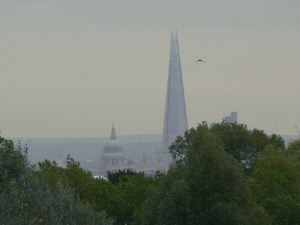
The first photos are from Hampstead Heath in London.  In the distance is the ancient St Paul’s Cathedral, once the most illustrious feature of the skyline, but now overshadowed by the Shard.

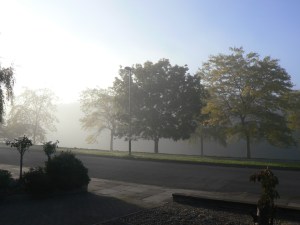
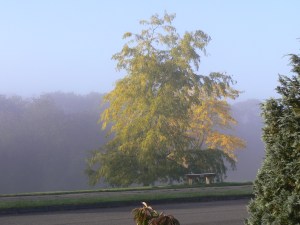
Next are some very misty views from my bedroom window at home.  When I woke up this morning the field opposite my home was shrouded in mist.  The beauty of the trees is enhanced by the Autumn colours and the mist just makes them more beautiful in my opinion.

I also squeezed in a photo of Dayna, my little Dachsund lying at my feet in the front bedroom.  She is never far away and I am happy to say she has settled into her new home beautifully.

So here are my Shroud Haiku:~

High on Hampstead Heath

Misty miles mellow the view

of a city spoiled.

The Shard overwhelming St paul’s Cathedral

St Paul’s stands subsumed

Skyline shattered by the Shard

Crystal Colossus.

The Gherkin shrouded in mist seen from Hampstead Heath

And here are my rather sombre Home Haiku:~

Hopeless the homeless

their troubles unrelenting

as winter approaches.

~

Despairing.  In debt.

Brow-beaten by bankers.

Deprived of their home.

And a much more cheerful one:~

Dayna at rest in the sun

She wallows in warmth

with the sun on her body.

It’s heaven at home

Misty view from my bedroom window today

Heaven is outside my home

Russian Odyssey Part 4 ~ The Everlasting Snows ~ October 1995

img003

When I wrote my Haiku, entitled ‘Sleep’, about a 36 hour trip on a sleeper train from Moscow to Sochi, I said that I would write more about my Russian adventures.  This is the first instalment!

It was October 1995 when my colleague, Liz and I got up very early at the Hotel Moscow in Sochi.  We were being taken on a trip to the Caucasian Mountains for the day.  We skipped breakfast and went out to meet Igor, his young daughter Anna, the 2 Natalya’s, both Headteachers, Irena, our interpreter, and another couple.  We were driven out of Sochi along the airport road in two Ladas.  We followed the Black Sea coastline until we reached the ‘new’ airport which was being built by construction workers from Yugoslavia, as it was then.  Apparently they never have enough money for materials so the job is taking years to complete.  However, what they have built looked very modern, even futuristic, and very impressive.

At this point we turned inland towards the mountains.  We could not go straight on as this was the road to Georgia and there were still Russian tanks along the border to stop refugees from the Abkhazia/Georgia conflict from coming into Russia.

From here on, the journey took two or three hours, passing some of the most spectacular scenery I have ever seen.  It reminded me of the best of the Pyrenees with shades of Canada.  The colours of the ancient forests of broadleaf trees were indescribably beautiful: Reds, yellows, oranges and all shades of green glinted in the glorious early morning sunshine.  Above these trees were the alpine forests of evergreen trees, and beyond those, the everlasting snows.  This is the home of the Russian bear, the mountain cat, the black Ousel, the wolf and much more.

All the time we were driving along the course of the ‘wild river’, as its name translates.  This river is icy cold, deep and treacherous, coming straight from the snow-capped mountains.  I was told that there are 1 metre long red fish (presumably salmon) in this river.  The road got steeper, and narrower, and more winding as it climbed higher into the mountains.  There were many interesting stops; the Men’s Tears Waterfall, the Ladies’ Tears Waterfall, the ancient cave where Neolithic tools have been found, the memorial to the Red Army soldiers from Krasnapolyana who were butchered and thrown into the ravine in 1927 during the civil war, to name just a few.  The road was so dangerous that we could not get out and take many photographs unfortunately.

Eventually we arrived at the village of Krasnapolyana where Igor was born.  It was like going back to medieval times in England.  There were very few cars, and ours had to drive dead slow to avoid the pigs, hens, cows and dogs wandering at will through the main (and only) street of the village.  There were very few people around but one or two slowly plodded by.  The pace of life in this village is so slow that it seems as if at some point time stopped, stood still, and then started to go slowly backwards.  All around there were little Hansel and Gretel cottages with tiny barns packed to the rafters with the harvest produce.  Not a shop or  a pub to be seen ~ just little old people living on whatever they could grow or rear, in little houses with little gardens.

We were told that the air and water is so pure here that people have been known to live to 130 or even 140 years old.  Some years ago the world’s top biologists got together to stop a bid to hold the winter Olympics in the area.  They considered Krasnapolyana to have the purest and cleanest environment in the whole world.  I can believe it and I am so thrilled that I got to see it in this unspoilt state.  It looked and smelled like Paradise to me.

At last we drove the last few bumpy metres through the forest to a clearing by the river.  Here we stooped and got out of the cars.  The sun was very hot by now and the air was soft, warm, and full of sweet perfume.  It was explained to me that much of the greenery growing in the forest could be used for herbal remedies.  Every bit of ‘grass’ I picked seemed to have an exotic smell and curative properties according to Natalya.  As Liz and I wandered round in raptures at the scenery, the women in our group set about laying out a picnic area.

They emptied the two Ladas and laid out blankets, mattresses, sheets of cardboard, dishes, bowls, cups and saucepans.  Then, out came flasks of tea and coffee, bottles of Russian Vodka and an amazing array of green salad, huge tomatoes, freshly made Georgian Lava bread and homemade cheese.  Meanwhile the men returned from the forest with twigs, sticks and small branches.  They set about building a fire with great precision.  Apparently building a fire for cooking food is an exact science, and Russian men take great pride in it.  Once the fire was lit, it was fussed over like a new baby until it was ready to put the meat over.  Igor skewered three whole chickens which had travelled with us in a huge pan marinating in a batter flavoured with herbs and spices.  The men collected water from the river and splashed the fire and the chickens regularly.  They told me that this helps stop the chicken’s skin from burning and keeps it moist as it cooks right through.  The smell coming from this outdoor barbecue was mouth-watering and I couldn’t wait to eat the food.  Liz, being vegetarian, had been horrified by the whole process, but was glad to see a vegetarian selection cooking on a skewer at the edge of the fire.

As the men cooked, animals wandered by to take a look: a family of wild pigs complete with babies, cows of all sizes and shades, dogs and butterflies.  It really was quite primitive and biblical and I was totally relaxed just watching and anticipating.  When we did sit down on the ground to eat, the meal was superb.  Every sense was alive with the sight, the feel, the smell and the taste of the food was complemented by the sounds of the fire spitting and the river rushing by.  It was an amazing experience.  At the end of the meal we wandered round with 10 year old Anna, writing our names on stones with stones, and drawing the animals we could see, rather as Neolithic man must have done in those caves we had seen.  Finishing up, we cleared everything away and set off again to go further along the mountain track.

Liz and I were told that we were going to touch the everlasting snows.   I had a dreadful feeling that we were going up the mountain on horseback.  But then to our amazement we saw an old ski lift!  Before we had time to panic we were sitting on this thing which climbed as far as the eye could see up into the snow-capped mountains.

I was not in the slightest bit bothered by it.  I thought this totally untypical relaxed state might have been due to the environment, but Liz reckoned it was due to all the vodkas I had consumed at lunchtime!  Either way I loved the splendid views from the top of the ski lift.

After this we set off on the homeward journey.  We took detours to give messages to grandmothers, to buy curative honey from the bee farm, to drink coffee, and to see the hydro-electric station and reservoir that supplies these remote and fortunate people with their power.  They seem to have everything they need in abundance and all naturally produced.  It was a most unusual, thought provoking, pleasurable, and satisfying day.  I was very sad to leave Krasnapolyana.

The views on the way down the mountain were even more spectacular than on the way up.  The setting sun gave the already beautifully coloured autumn leaves a shimmering golden glow.  The only hiccup occurred when I dropped my jar of medicinal honey from this wonderful place.  The beekeeper had gone to so much trouble to find me a small jar and filled it for me to take home.  But, it smashed to bits right outside our hotel.  It seemed almost as if I was not supposed to take anything away from Krasnapolyana.

I have been back to Krasnapolyana several times since then and it has changed out of all recognition.  There are new roads, helicopter pads, tourist hotels, new ski lifts and lots of palatial new houses.  Mr Putin has a beautiful summer home there and skis regularly on the mountain.  And, I am sad to say that the 2014 Winter Olympics will be held in Krasnapolyana, which will bring masses of people and vehicles to this fragile but still beautiful area.  I fear that the environment will be ruined.  But I feel privileged to have seen it when it was still in pristine condition.

Free

Image

Free Spirit ~ my beautiful daughter

I know the real me.

At the core of my being,

My spirit is free!


Nothing is free!

Mankind is a mess.

Motivated by money,

Morality’s mired.


Free Trade ~ there has to be a way found to share the earth’s resources more equitably.  It is unsustainable for the majority to live in dire poverty while the minority consume without conscience.

Free trade or fair trade

Ethical extremities,

Conscience compromised.

Free  people ~ I find it ridiculous that different ethnic peoples can not  respect each other’s differences and reach compromise.  Will conflict never end?

Trapped in tradition,

Hostages to history,

Future’s foreboding.

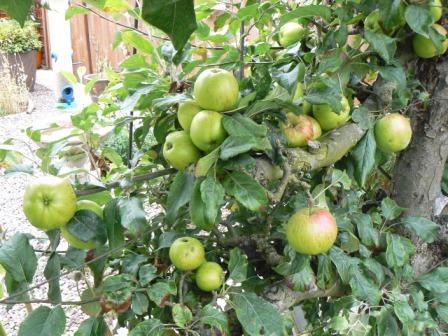
Free food ~ I find it amazing when I walk in the countryside, that there is an abundance of fruit on the trees and in the hedgerows, and people don’t seem to pick it.  They prefer to go to a supermarket and buy inferior stuff at inflated prices in polythene bags.  Why?

Free for the hungry

Nature’s abundant harvest

Hanging on the trees

Image

Footprints ~ Haiku

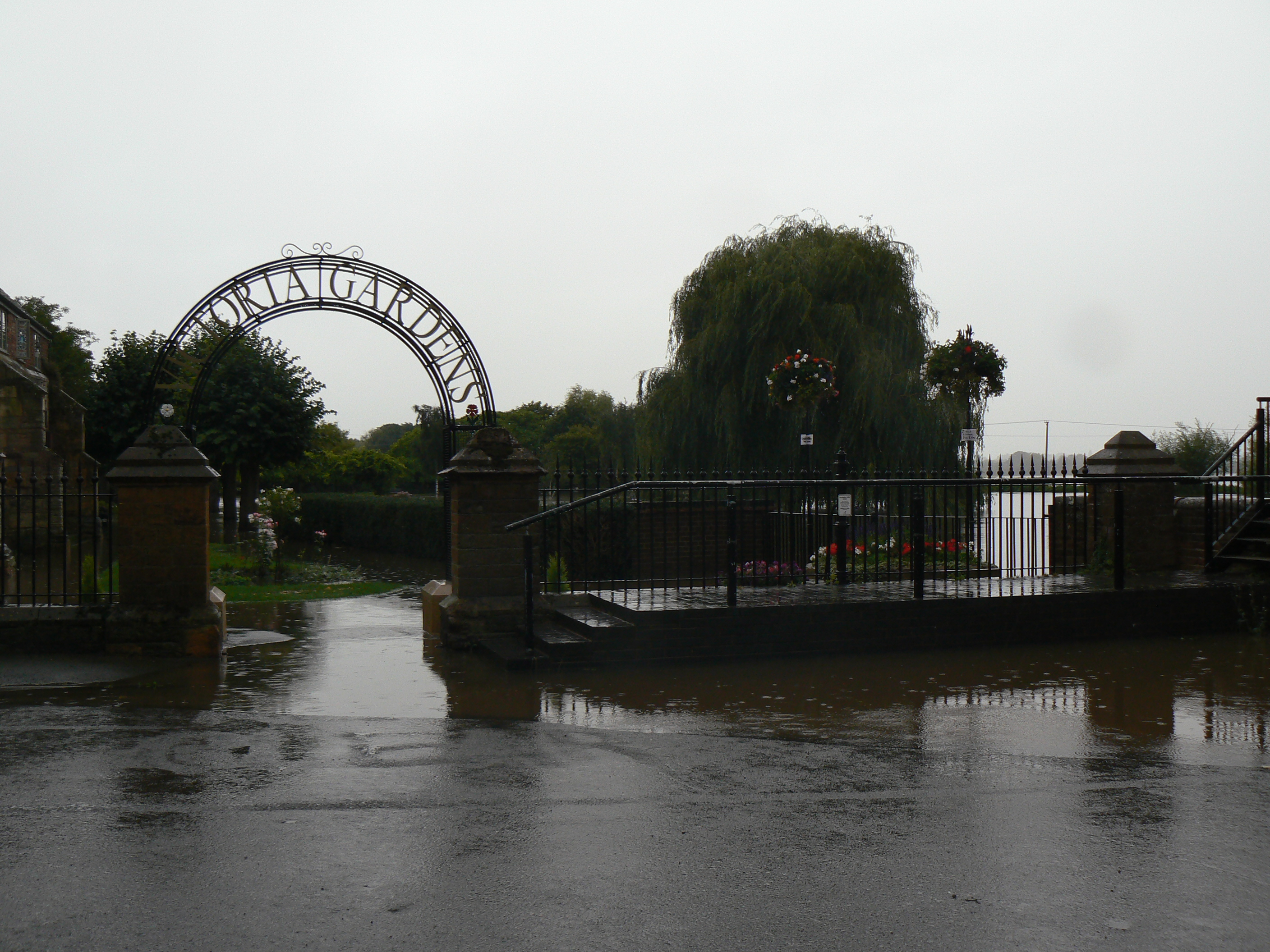
A Tewkesbury Garden 26th September 2012

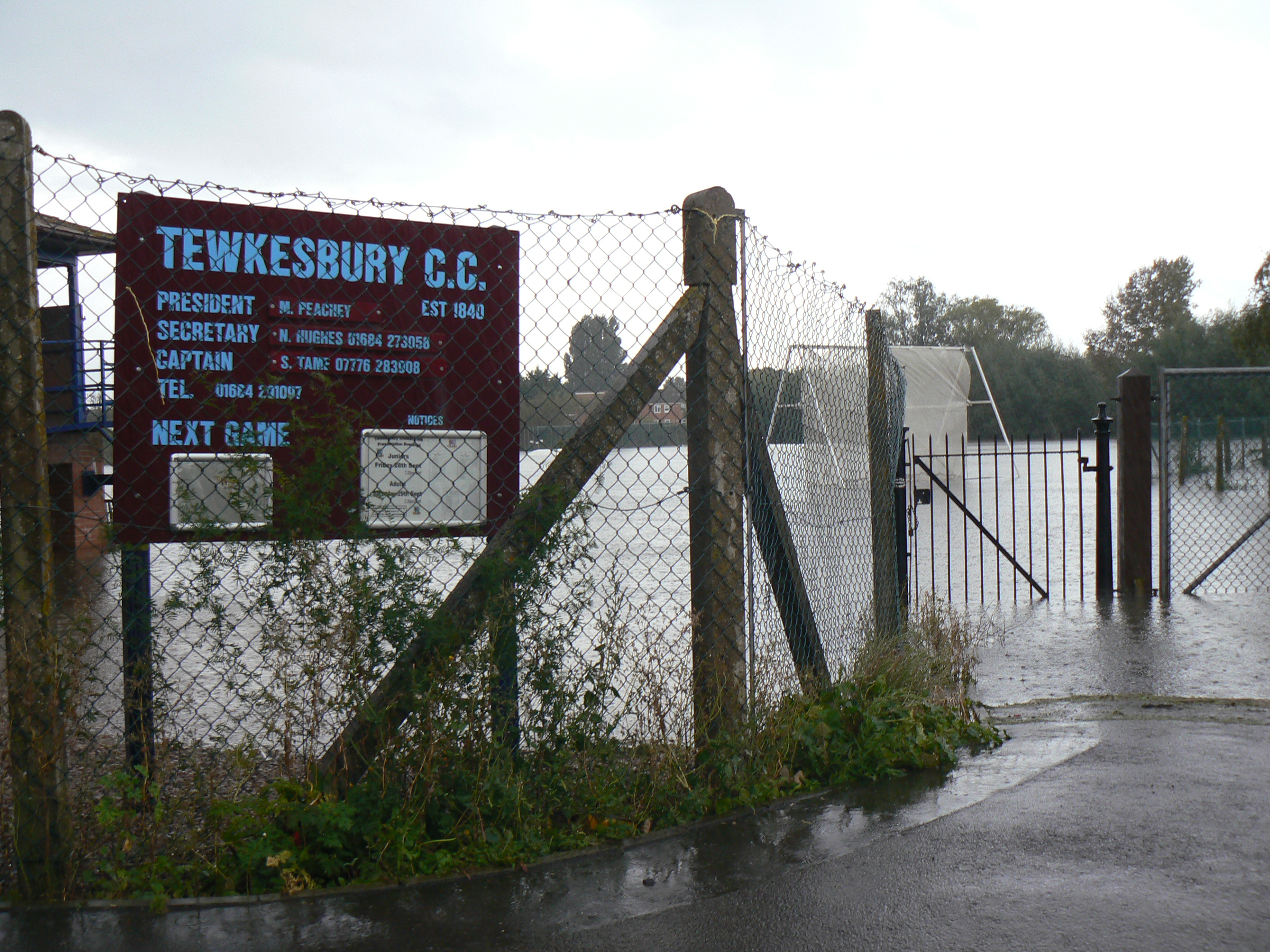
No footprints today

over park, pitch, or pavement.

Rampant rivers rule.

I took my little dog for a walk yesterday in Pershore and Tewkesbury.  The Rivers Avon and Severn were both flooding.  Although both Abbeys were still safe, the surroundiing areas were flooding ominously as my photographs show.

Hummingbird hawkmoth ~ Haiku

Hummingbird hawkmoth

In Autumn hedgerow

Hummingbird Hawkmoth hovers

Foreign visitor

Humming Bird Hawk Moth (Macroglossum stellatarum)

  • Wingspan 40 – 50 mm
  • Not a native to the UK.
  • Description: large proboscis and antenna, fan tailed thorax, orange hindwings and grey-brown fore-wings, marked with two black lateral stripes.
  • Takes its name from the habit of flitting between blooms collecting nectar with its long proboscis, with a flight pattern resembling that of the humming bird.
  • Although it has occasionally been known to overwinter in southern counties, this day flying moth is largely a migrant from the continent, flying any time from  spring to October.
  • A prolonged spell of warm summer weather and a southerly prevailing wind, can result in a fairly large presence of the humming hawk moths in the UK.

I have spotted these exotic visitors to England only twice; once in my garden, and once at the nursing home where my mum lived for the last 18 months of her life.

I read somewhere that the hummingbird hawkmoth is considered a good luck omen in malta and Italy.  Apparently a swarm of them was seen crossing the English Channel flying towards England on the day of the D Day landings in 1944.  My sighting was not such a good omen as I wrote in a previous post amended below!

“Just last year we sat in the garden on a sunny autumn Thursday, my mother and I.  We saw a hummingbird hawkmoth, a rare visitor to the UK.  Like a large bee crossed with a moth, it hovered over the flowers like a hummingbird.   We were at the The Owlpen, mum’s care home, enjoying the last warm days of the year.  Sitting with us were Diana, Phyllis, Agnes and a lovely Welsh lady who didn’t speak at all.   Agnes spotted a plane with four wings flying round and round in circles.  A training flight we thought or maybe a pleasure flight.  No-one else noticed it.  Diana was earnestly knitting hats for merchant seamen.  She has made hundreds over the years from wool that people bring her.  She says it keeps her mind alert and her hands busy.  She doesn’t need a pattern now, she knows the stitches so well, but she has to concentrate on counting the rows.   Phyllis is a large lady with sparkly eyes, very little hair, and sorely swollen legs.  She has difficulty walking and forgets where she has put her stick.  She loves to chat about her grandchildren and to hear about other people’s.  Agnes is mum’s best friend at the Owlpen.  She is a lovely cultured lady who reads the Times from cover to cover every day to ‘keep abreast of the news’. Agnes enjoys good conversation but gets cross with herself when she can’t remember the words she wants to say.

Mum’s eyes do not sparkle today.  They look milky and dull like an aged pet.  She is not joining in the conversation and does not appear to be enjoying the lovely day.  It worries me that she seems so quiet and a bit confused.  I fear she is fading in mind and body so I ask the nurse to make an appointment for the doctor to visit.

On Monday I arrive early to be there when the doctor comes.  He is young, gentle and kind and asks mum lots of questions.  She is overawed by him and doesn’t want to be a nuisance so she says she is fine.  I gently coax the symptoms out of her.  Didn’t you have a pain in your tummy mum?  “Yes, a little bit”.  Doesn’t it hurt your back when you are moved mum?  “Yes, a little bit”.  Haven’t you gone off your food because it makes you sick mum?  “Yes, a little bit”.  Bless her, it breaks my heart to see how dependent and deferential she has become.  Where is the proud, strong, creative lady?  What happened to the northern matriarch who watched over the whole extended family for the last sixty years?

The doctor says he won’t distress her further as she seems a bit down.  So I stay for the whole day.  We read the book of Old Gateshead and go down ‘memory lane’.  We have coffee and share a bit of cake.  At lunchtime I sit with her and she manages to eat a whole bowl of soup.  She is so animated now that we decide to have a girlie afternoon.  Fortunately I had brought my manicure set and some nail varnish.  I cut her nails and massage her hands with Wild Rose Beauty Balm from Neal’s Yard.  Then I buff the nails to smooth them and paint them Midnight Bronze.  By the time I leave she looks relaxed and radiant, and the room is filled with the smell of roses.  I have never felt closer to her and I will treasure the memory of that day forever.  My mum died before the week was out.

I would give the world to be able to see my mum today, take her for a drive, or make her a special lunch.”

http://youtu.be/4SI6Lu9LeBI

Meadow Haiku

Through Cox’s Meadow

past ancient mills, farms and fairs,

The River Chelt flowed.

Many years ago, when my children were young, I decided to follow the River Chelt from its source near Dowdeswell to its mouth at the River Severn near Wainlodes.  I took my long suffering children with me on what I considered to be a great adventure ~ and very educational!  They had differing opinions, but as it was a good summer and they were too young to argue,  they came along anyway.

The history of places has always fascinated me; how things came to be the way they are; and how they were before.  The changes just in my lifetime are breathtaking, but the further back you go the more interesting it gets.  Features like buildings, placenames and rivers are great starting points for research I find.

Now the River Chelt is only small but it has always been very unpredictable.  There are so many springs up in the Cotswolds that after a heavy rainfall there can be flash flooding without any warning.  The river used to run from the high ground down through the meadow named after the farmer, Mr Cox, then straight down the High Street in Cheltenham.  People had to use stepping stones to cross.  That all changed when the mill owner, a Mr Barrett, diverted the river in order to power his corn mill in the centre of town.  The course of the river has been tweaked several times over the years and various culverts have been put in, but it still floods occasionally.  The worst floods I can remember were in 2007.  On July 20th the heavens opened and the rivers burst their banks all over Gloucestershire.  The power station was affected and the water supply was cut off.  For weeks we had bottled water delivered to central depots where residents went to collect it.  Homes, pubs, abbeys, churches and schools were flooded; and traffic on some roads was restricted to boats!

Some years before that the local council in their wisdom did major work on Cox’s meadow.  The meadow had been a wonderful community facility and a natural floodplain for centuries.  Annual fairs were held there and community games, charity events and circuses.  But it was transformed into a barren wasteland and designated a “balancing pond” or “overflow reservoir”.  There is nothing in it now apart from a path which the dog walkers enjoy, and a scultpture over the drain cover.  And, sadly when the floods came, it was worse than useless.  Whereas previously the river overflowed freely into the meadow, now it was channelled along a route behind houses resulting in those houses being flooded!

Goodness, these Haiku prompts really do stir up the memories ~ all that from the word ‘meadow’!

80_RChelt_M5_3_lg 

This slideshow requires JavaScript.

English: A frosty morning in Cox's Meadow Part...

English: A frosty morning in Cox’s Meadow Part of the Cheltenham flood defence system, Cox’s meadow was remodelled in 2005/2006 to store River Chelt flood water. This photograph was taken at the start of several days when the temperature rarely rose above freezing. (Photo credit: Wikipedia)

English: Lilley Brook near Cox's Meadow The Li...

English: Lilley Brook near Cox’s Meadow The Lilley Brook meanders through trees at the edge of Cox’s Meadow just before it joins the River Chelt. (Photo credit: Wikipedia)

English: The river Chelt meets the river Sever...

Blessed by the birds

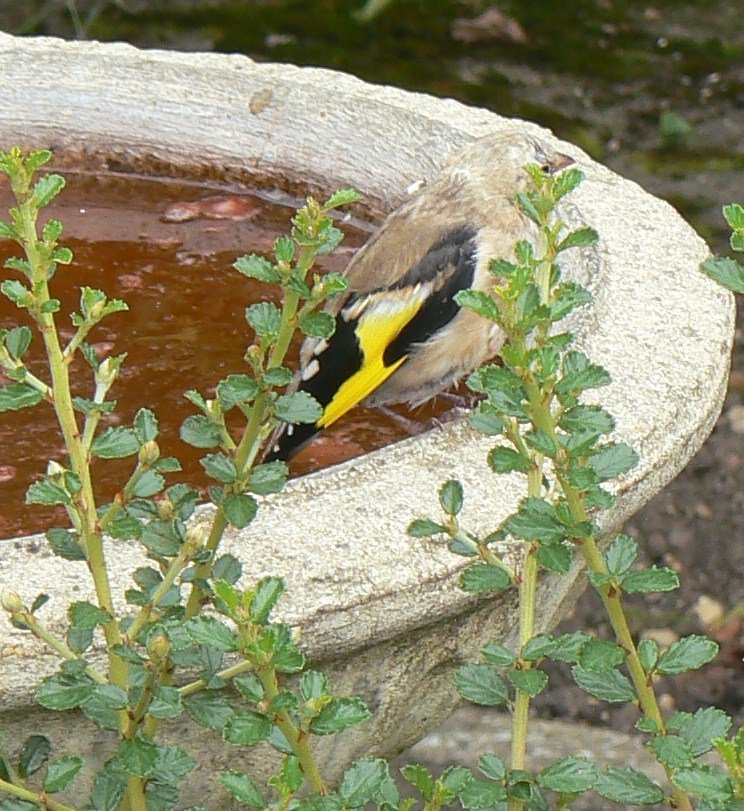
I am sitting by the open french window reading my favourite blogs when a tiny little wren pops in through the door.  This is amazing as yesterday another little bird flew in throught the same door.  I was sitting reading and saw a bright yellow streak flash by my newspaper.  It was a young female goldfinch.  It settled down beside my chair totally oblivious to my little dog, Dayna, sitting beside me.  I was so worried that Dayna might hurt the bird that I put don my hand to chase it out.  The little goldfinch grasped my fingers and let me carry it out into the garden.  It showed no signs of being willing to fly off so I tried putting it on the bird table with some food ~ but there it sat staring at me.  Popping back onto my fingers I moved it to the bird bath thinking some cold water might jolt it into flying away.  But no, it seemed quite happy to sit there and watch me.  At last I got my camera to take photographs of it as it posed.  It was a big burly pigeon who eventually frightened it off.  I was thrilled to see it soar into a nearby tree.

Was it newly fledged and unaware of danger?  Was it disorientated by flying indoors?  I don’t know but I will always be thrilled that for a few minutes I was able to get so close to such a beautiful creature.

goldfinch on my hand 2

goldfinch on my hand

Goldfinch on the bird table

goldfinch on the bird bath