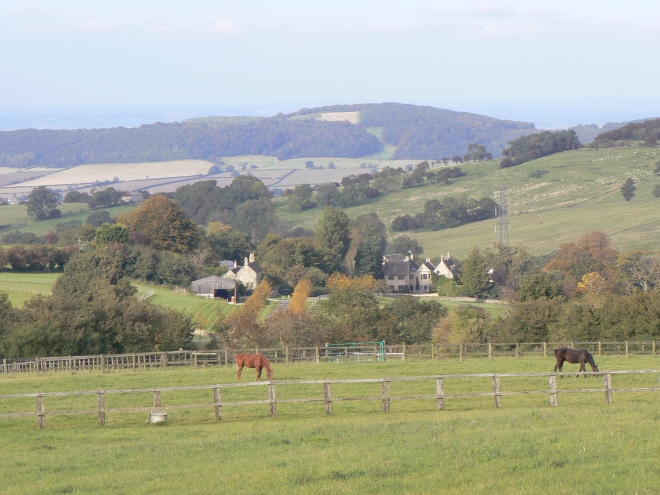
A perfect Autumn day in the Cotswolds

A perfect Autumn day in the Cotswolds

My mum and I in days gone by. It is 6 years since my mum died, it has gone by so quickly in some ways, yet so slowly in others. I reckon I think about her more now than ever before. Today I visited her grave and put her favourite pink flowers there. It is in a perfect setting near the hills above Cheltenham, ina lawned garden. The trees are all golden, orange and red now that Autumn is here and they look so beautiful. She would have enjoyed that.
As We Look Back ~ unknown
As we look back over time
We find ourselves wondering …..
Did we remember to thank you enough
For all you have done for us?
For all the times you were by our sides
To help and support us …..
To celebrate our successes
To understand our problems
And accept our defeats?
Or for teaching us by your example,
The value of hard work, good judgement,
Courage and integrity?
We wonder if we ever thanked you
For the sacrifices you made.
To let us have the very best?
And for the simple things
Like laughter, smiles and times we shared?
If we have forgotten to show our
Gratitude enough for all the things you did,
We’re thanking you now.
And we are hoping you knew all along,
How much you meant to us.
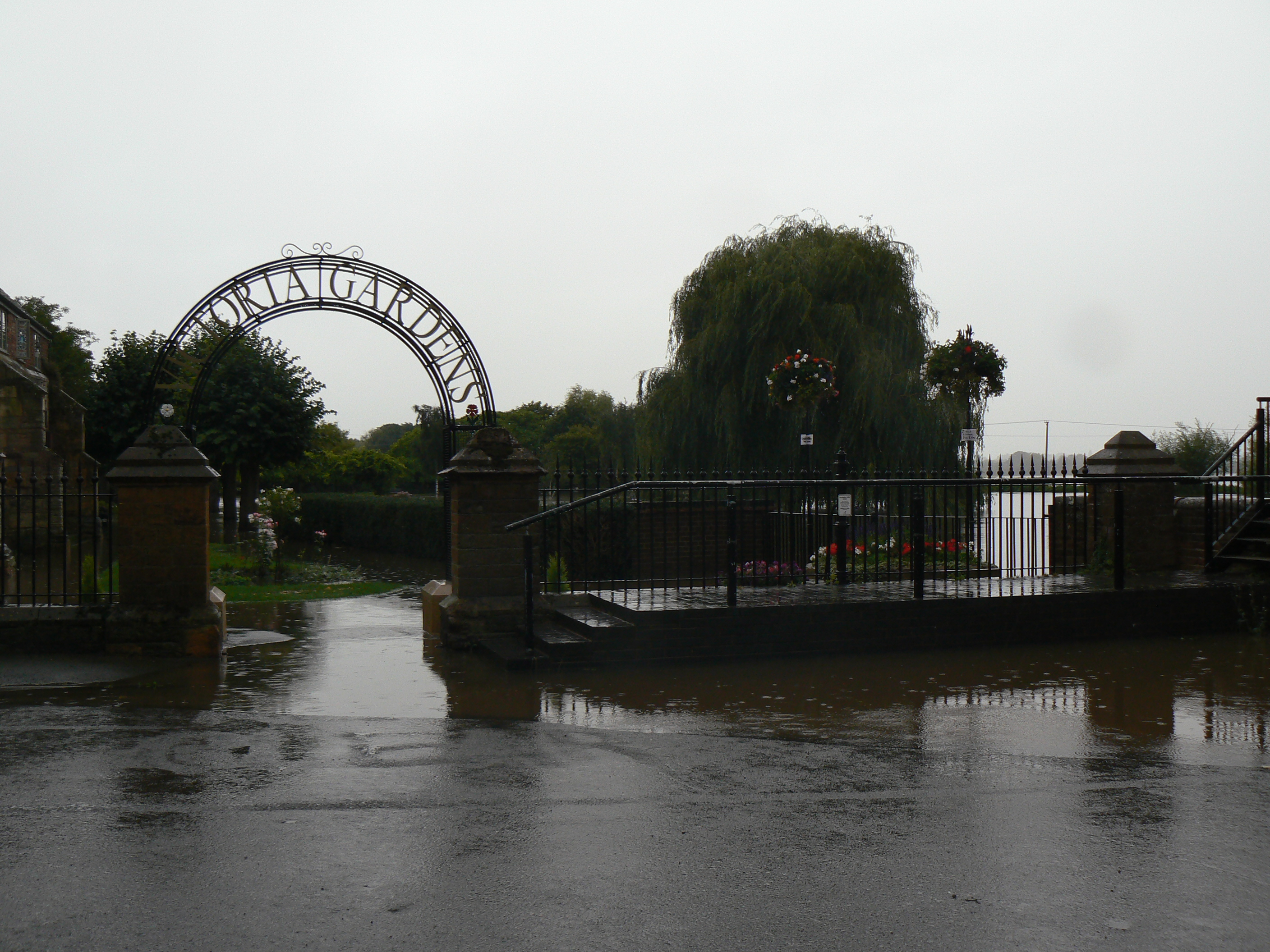
A Tewkesbury Garden 26th September 2012
No footprints today
over park, pitch, or pavement.
Rampant rivers rule.
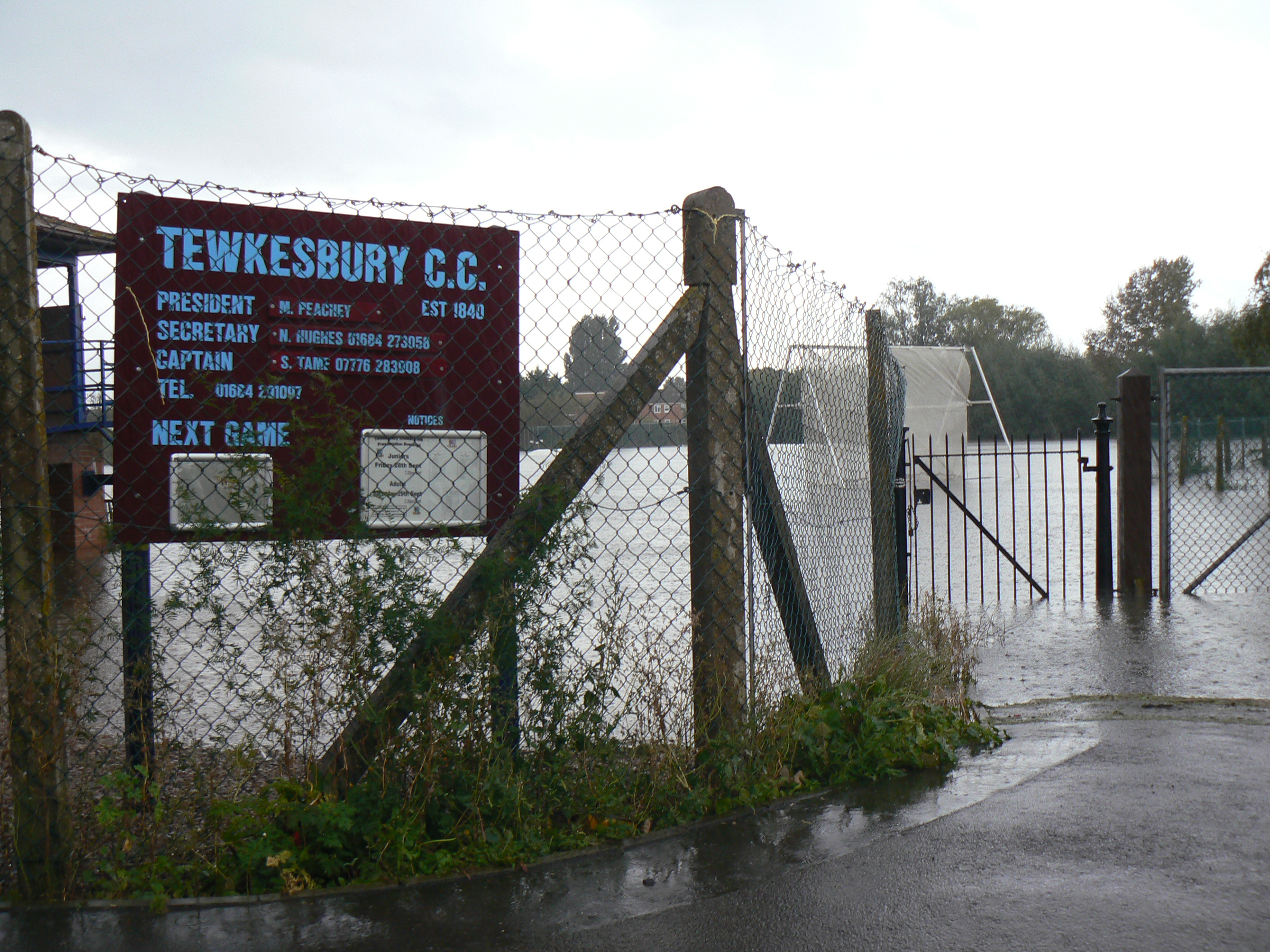
I took my little dog for a walk yesterday in Pershore and Tewkesbury. The Rivers Avon and Severn were both flooding. Although both Abbeys were still safe, the surroundiing areas were flooding ominously as my photographs show.


Hummingbird hawkmoth
In Autumn hedgerow
Hummingbird Hawkmoth hovers
Foreign visitor
Humming Bird Hawk Moth (Macroglossum stellatarum)
I have spotted these exotic visitors to England only twice; once in my garden, and once at the nursing home where my mum lived for the last 18 months of her life.
I read somewhere that the hummingbird hawkmoth is considered a good luck omen in malta and Italy. Apparently a swarm of them was seen crossing the English Channel flying towards England on the day of the D Day landings in 1944. My sighting was not such a good omen as I wrote in a previous post amended below!
“Just last year we sat in the garden on a sunny autumn Thursday, my mother and I. We saw a hummingbird hawkmoth, a rare visitor to the UK. Like a large bee crossed with a moth, it hovered over the flowers like a hummingbird. We were at the The Owlpen, mum’s care home, enjoying the last warm days of the year. Sitting with us were Diana, Phyllis, Agnes and a lovely Welsh lady who didn’t speak at all. Agnes spotted a plane with four wings flying round and round in circles. A training flight we thought or maybe a pleasure flight. No-one else noticed it. Diana was earnestly knitting hats for merchant seamen. She has made hundreds over the years from wool that people bring her. She says it keeps her mind alert and her hands busy. She doesn’t need a pattern now, she knows the stitches so well, but she has to concentrate on counting the rows. Phyllis is a large lady with sparkly eyes, very little hair, and sorely swollen legs. She has difficulty walking and forgets where she has put her stick. She loves to chat about her grandchildren and to hear about other people’s. Agnes is mum’s best friend at the Owlpen. She is a lovely cultured lady who reads the Times from cover to cover every day to ‘keep abreast of the news’. Agnes enjoys good conversation but gets cross with herself when she can’t remember the words she wants to say.
Mum’s eyes do not sparkle today. They look milky and dull like an aged pet. She is not joining in the conversation and does not appear to be enjoying the lovely day. It worries me that she seems so quiet and a bit confused. I fear she is fading in mind and body so I ask the nurse to make an appointment for the doctor to visit.
On Monday I arrive early to be there when the doctor comes. He is young, gentle and kind and asks mum lots of questions. She is overawed by him and doesn’t want to be a nuisance so she says she is fine. I gently coax the symptoms out of her. Didn’t you have a pain in your tummy mum? “Yes, a little bit”. Doesn’t it hurt your back when you are moved mum? “Yes, a little bit”. Haven’t you gone off your food because it makes you sick mum? “Yes, a little bit”. Bless her, it breaks my heart to see how dependent and deferential she has become. Where is the proud, strong, creative lady? What happened to the northern matriarch who watched over the whole extended family for the last sixty years?
The doctor says he won’t distress her further as she seems a bit down. So I stay for the whole day. We read the book of Old Gateshead and go down ‘memory lane’. We have coffee and share a bit of cake. At lunchtime I sit with her and she manages to eat a whole bowl of soup. She is so animated now that we decide to have a girlie afternoon. Fortunately I had brought my manicure set and some nail varnish. I cut her nails and massage her hands with Wild Rose Beauty Balm from Neal’s Yard. Then I buff the nails to smooth them and paint them Midnight Bronze. By the time I leave she looks relaxed and radiant, and the room is filled with the smell of roses. I have never felt closer to her and I will treasure the memory of that day forever. My mum died before the week was out.
I would give the world to be able to see my mum today, take her for a drive, or make her a special lunch.”

England’s Glory Match Box, made in Gloucester
I was sitting at a WI meeting yesterday in 2 Brunswick Square which is now the offices of Gloucestershire Federation of the Women’s Institute, (GFWI). The room we have our meetings in used to be the bedroom of Mrs Moreland whose family owned the match factory in Gloucester. It so happens that their matches were called England’s Glory so off my mind went to today’s haiku heights theme word, which is Glory!
Symbol on matchbox
‘HMS Devastation’
proud “England’s Glory”

HMS Devastation, symbol on England’s Glory matchbox

Moreland match factory
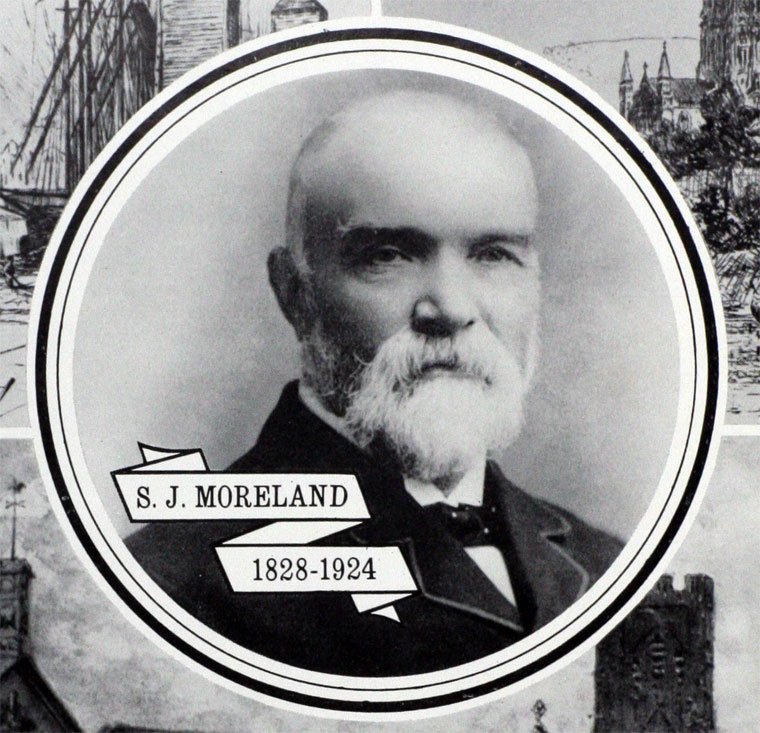
S J Moreland, factory owner
The factory was situated alongside the Gloucester to Sharpness canal which was a thriving transport system for the timber trade in the nineteenth and twentieth centuries. All sorts of timber products were made there before matchsticks became their sole product. Originally the matches were handmade. This was a very dangerous job as white phosphorous was used in the tips. Conditions were so bad in London factories that the matchstick girls went on strike in 1888. You may have read Hans Christian Anderson’s beautiful story of The Little Match Girl. It is so sad! But, eventually conditions improved and a safer form of phosphorous was used in the making of safety matches. Before the first world war there were 650 people employed in Gloucester’s Match factory. but by 1911 a continuous automatic matchmaking machine was installed. Many of the workers at the factory went off to war in 1914 never to return, and due to the introduction of the machinery the number of workers dwindled.
When I first came to Gloucestershire in 1967 the factory was still operating but had been taken over by Bryant and May. They stopped making matches there and the factory closed in 1975. England’s Glory matches are still made, but they are made in Sweden now! There is a trading estate on the site of Moreland’s match factory now but there are still lots of reminders of the times gone by.
England’s Glory matchboxes were great fun. They had jokes or wise words on the backs. My husband remembers some.
One said, ” Trainee electrician – do they have to do Ohm work?”
Another said, ” A pessimist is someone who complains of the noise when opportunity knocks!”
Timber is still an important industry in Gloucester and the Sharpness Canal is still a thriving waterway.
Now where are my notes from that meeting?
Inspired by September Challenge day 21 at Haiku Heights
Through Cox’s Meadow
past ancient mills, farms and fairs,
The River Chelt flowed.
Many years ago, when my children were young, I decided to follow the River Chelt from its source near Dowdeswell to its mouth at the River Severn near Wainlodes. I took my long suffering children with me on what I considered to be a great adventure ~ and very educational! They had differing opinions, but as it was a good summer and they were too young to argue, they came along anyway.
The history of places has always fascinated me; how things came to be the way they are; and how they were before. The changes just in my lifetime are breathtaking, but the further back you go the more interesting it gets. Features like buildings, placenames and rivers are great starting points for research I find.
Now the River Chelt is only small but it has always been very unpredictable. There are so many springs up in the Cotswolds that after a heavy rainfall there can be flash flooding without any warning. The river used to run from the high ground down through the meadow named after the farmer, Mr Cox, then straight down the High Street in Cheltenham. People had to use stepping stones to cross. That all changed when the mill owner, a Mr Barrett, diverted the river in order to power his corn mill in the centre of town. The course of the river has been tweaked several times over the years and various culverts have been put in, but it still floods occasionally. The worst floods I can remember were in 2007. On July 20th the heavens opened and the rivers burst their banks all over Gloucestershire. The power station was affected and the water supply was cut off. For weeks we had bottled water delivered to central depots where residents went to collect it. Homes, pubs, abbeys, churches and schools were flooded; and traffic on some roads was restricted to boats!
Some years before that the local council in their wisdom did major work on Cox’s meadow. The meadow had been a wonderful community facility and a natural floodplain for centuries. Annual fairs were held there and community games, charity events and circuses. But it was transformed into a barren wasteland and designated a “balancing pond” or “overflow reservoir”. There is nothing in it now apart from a path which the dog walkers enjoy, and a scultpture over the drain cover. And, sadly when the floods came, it was worse than useless. Whereas previously the river overflowed freely into the meadow, now it was channelled along a route behind houses resulting in those houses being flooded!
Goodness, these Haiku prompts really do stir up the memories ~ all that from the word ‘meadow’!


English: A frosty morning in Cox’s Meadow Part of the Cheltenham flood defence system, Cox’s meadow was remodelled in 2005/2006 to store River Chelt flood water. This photograph was taken at the start of several days when the temperature rarely rose above freezing. (Photo credit: Wikipedia)

English: Lilley Brook near Cox’s Meadow The Lilley Brook meanders through trees at the edge of Cox’s Meadow just before it joins the River Chelt. (Photo credit: Wikipedia)

Olympic revelation,
Inspiring and excelling,
Heroic athletes.


Benhall Women’s Institute was formed in October 2009 on the outskirts of Cheltenham Spa in the Cotswolds.
Our Olympic Pennant displays 5 cameos representing local features:
The pennant’s background depicts the honey colour of Cotswold stone and is bound with the Olympic colours of blue, black, red, yellow and green.
On the back of the pennant is this message:~
“The members of Benhall WI would like to congratulate you for participating in the 2012 Olympics. We hope you enjoy your visit to London 2012. We present this pennant as a souvenir”.
The pennant was designed and created by a group of Benhall WI members
Haiku inspired by September Challenge at Haiku Heights.
Harmonious sounds
The heavenly Holst does make
Sacred symphony

English: Statue of Gustav Holst in his home town of Cheltenham. Deutsch: Statue von Gustav Holst in seiner Heimatstadt Cheltenham. (Photo credit: Wikipedia)
Summer surrenders
Fruits fall from burdened branches
September sweeps in.
Inspired by Haiky Heights September Challenge at
http://haiku-heights.blogspot.com/

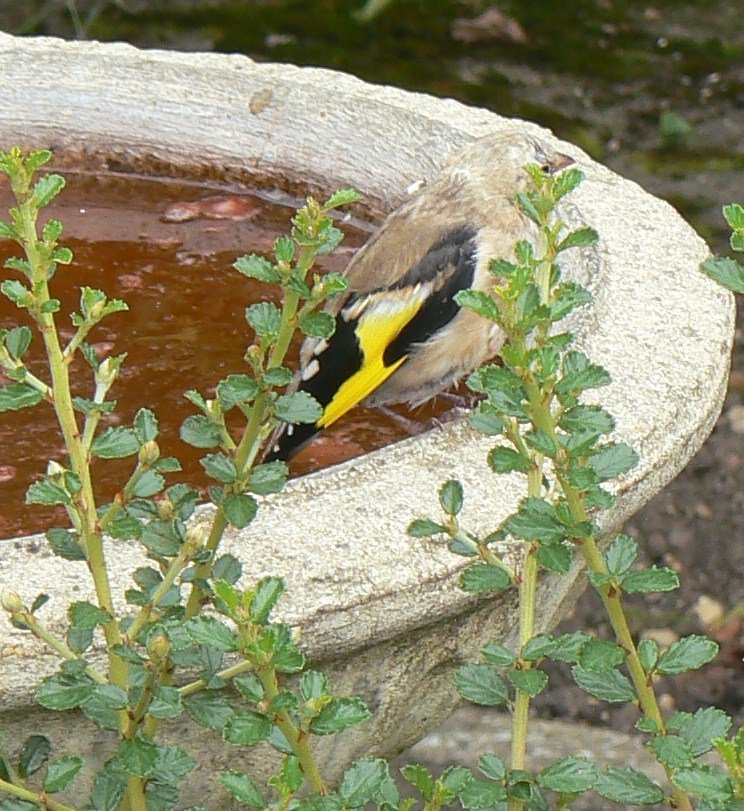
I am sitting by the open french window reading my favourite blogs when a tiny little wren pops in through the door. This is amazing as yesterday another little bird flew in throught the same door. I was sitting reading and saw a bright yellow streak flash by my newspaper. It was a young female goldfinch. It settled down beside my chair totally oblivious to my little dog, Dayna, sitting beside me. I was so worried that Dayna might hurt the bird that I put don my hand to chase it out. The little goldfinch grasped my fingers and let me carry it out into the garden. It showed no signs of being willing to fly off so I tried putting it on the bird table with some food ~ but there it sat staring at me. Popping back onto my fingers I moved it to the bird bath thinking some cold water might jolt it into flying away. But no, it seemed quite happy to sit there and watch me. At last I got my camera to take photographs of it as it posed. It was a big burly pigeon who eventually frightened it off. I was thrilled to see it soar into a nearby tree.
Was it newly fledged and unaware of danger? Was it disorientated by flying indoors? I don’t know but I will always be thrilled that for a few minutes I was able to get so close to such a beautiful creature.

goldfinch on my hand

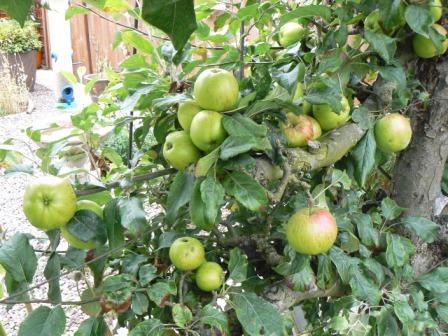
Summer surrenders,
fruits fall from burdened branches,
And Autumn arrives.


Pirouetting leaves
surrender to the season
Autumn’s country dance

Rest not! Life is sweeping by; go and dare before you die. Something mighty and sublime, leave behind to conquer time.
— Goethe
St Thomas More School was a huge part of my life. In the early 1970’s I watched the new school building rise in the middle of an open field that had once been farmland and an orchard. There was an ancient hedgerow all around the site and just one magnificent old oak tree in what would be the playing field. When it was opened in 1975, I was having my third child so was not available for teaching. But, as I drove past the school every day, I vowed that one day I would work there.
I got my wish in 1984 when my youngest child was ready to start school. I was offered a job and jumped at the chance. The next decade was a time of great blessing as I worked in virtually every class, teaching all age groups, then became deputy Head. In 1994 the original Headteacher was due to retire and, to my surprise, I was offered his job. He had been such an inspirational Head that the school was a joy to work in. Taking on his role, I tried to emulate him while making my own mark and bringing my own vision for the school into being.
Due mainly to the quality of the staff and their outstanding teamwork, the school became a strong and successful community, ‘an oasis of excellence’, appreciated by staff, pupils and parents alike.
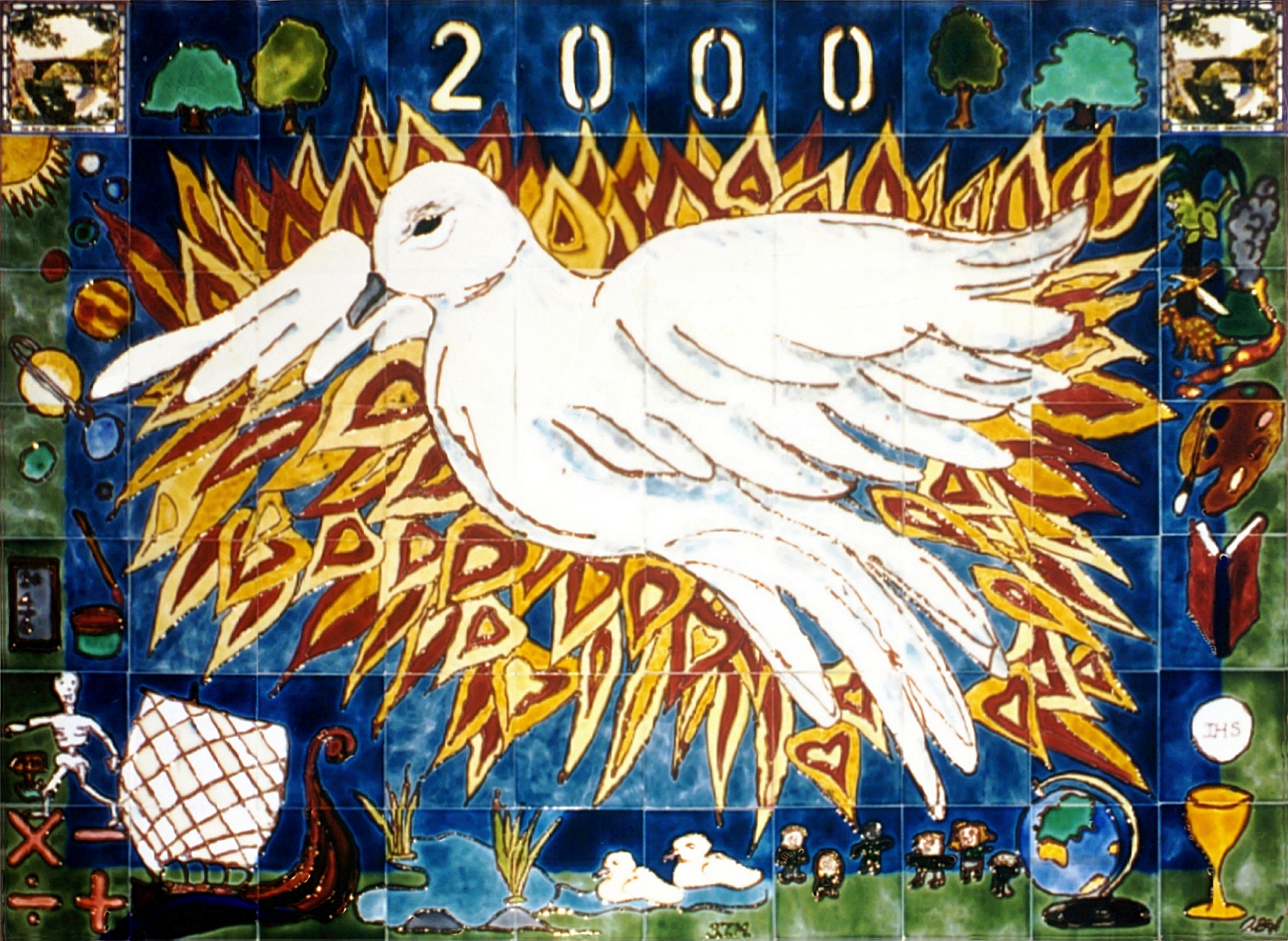
In 1999, as the new millennium approached, the staff wanted to mark the year 2000 with a special feature. We wanted the whole school community to be involved in creating something totally unique and meaningful. We came up with the idea of making a large tile frieze. Each year group was asked to brainstorm their favourite lessons, subjects, or topics, and represent their ideas on paper.
Reception class, the youngest children were just 4 or 5 years old and had only just started school. They had their photographs taken in their shiny new uniforms, so that was their contribution.
The Year 1 class had helped to build a pond and were raising ducklings which they had hatched from eggs in an incubator, so they drew pictures of that. I have a wonderful memory of the day the ducklings hatched out ~ the local policeman had called up to the school on a social visit and he watched as the first duckling struggled to crack open the shell. When it finally succeeded and out popped this beautiful and perfect little bundle of yellow feathers, he was overwhelmed by emotion and had tears in his eyes.
In Year 2 the 7 year olds made their first Holy Communion as it was a Catholic school so they drew a chalice and host. Being the most significant event in the year, that was their contribution.
Year 3 was the first year of juniors and the children enjoyed learning about Vikings and the Human Body, so they drew lovely longboats and skeletons.
In Year 4 things got much more subject focussed so Maths was represented by a calculator and mathematical symbols.
In Year 5, Music, Dance and Art were the main features, so a pot of paint and a brush was drawn. Science too was represented by the planets.
By Year 6 the children were getting ready to move on to secondary school. In order to give them a taste of independence and adventure, it was our tradition to take the class away to Shropshire for a week to stay in a Youth Hostel. Here, in the Ironbridge Gorge, birthplace of the Industrial Revolution, we had a wonderful time. We visited the Iron Museum, The Jackfield Tile Museum, Blist’s Hill Reconstructed Village, River Severn Museum and of course the first Iron Bridge ever built. We also had amazing night hikes, midnight feasts and parties. Altogether it was an incredible opportunity for fun and learning. So naturally the Ironbridge at Coalbrookdale was the emblem of Year 6.
The staff gathered all these pictures and images together and chose the ones that would be painted on to the tiles. The Year 5 teacher, ABW, a wonderfully creative artist and teacher, took on the challenge of putting all the ideas together and creating a design on tracing paper which could be transferred onto numbered ‘green’ tiles. It was agreed that we would go to Jackfield Tile Museum to create the finished work.
A representative group of staff, parents and children spent a weekend at the Youth Hostel and were each given a small area of the tile frieze to paint. ABW had done a magnificent job scaling all the children’s artwork up or down so that the frieze would reflect the life of the school. It was agreed that the year 2000 would go at the top, as well as the 4 trees, oak, ash, poplar and beech, which were the school emblem. In the top corners would be tiles depicting the Ironbridge itself. The children’s artwork would go around the edge, and at the centre would be the Holy Spirit in the form of a dove surrounded by flames.
We painted the tiles in coloured glaze. I will never forget the atmosphere in that studio at Jackfield as we worked on the frieze. There was a stillness and peace in the room which was truly sacramental. While we worked, the Spirit moved in that place and heaven happened.
When we finished, the tiles were left at the Jackfield tile Museum to be fired. A couple of weeks later they were collected and set into a frame made by the reception class teacher’s husband.
Bishop Mervyn Alexander of Clifton RIP came in the year 2000 to celebrate the school’s 25th anniversary and he blessed the tile frieze.
Although most of the staff who worked at the school have retired or moved on now, the frieze is still there in the school hall. And with it is a little piece of all of us who made it.



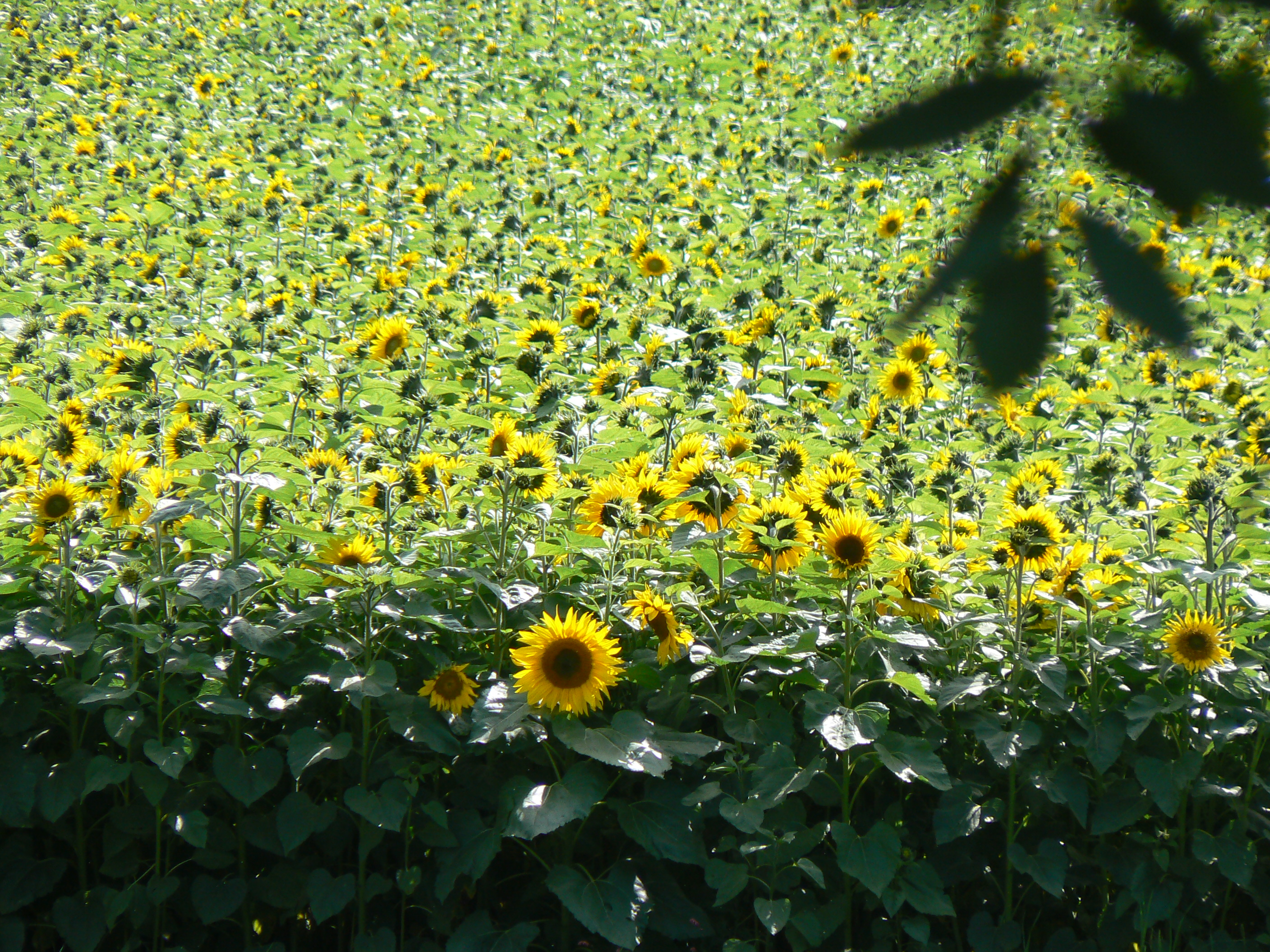
Golden Sunflowers
Yearning for enlightenment
Turn to face the sky
The sunflowers have been washed out this year in some parts of the Cotswolds due to the dreadful wet summer. At Snowshill most of the young plants died as their roots rotted in the rain=soaked earth. But there are still some sunflowers around and I delight in them. The ones in my garden have just come into bloom and they are magnificent.
In Cheltenham ladies College there is a beautiful stained glass window depicting sunflowers ~ in Victorian times they were considered a symbol of faith in God as the sunflowers appear to be turning their heads to face Him.
I painted sunflowers on my summerhouse doors as for me they signify the arrival of Autumn, my favourite season.


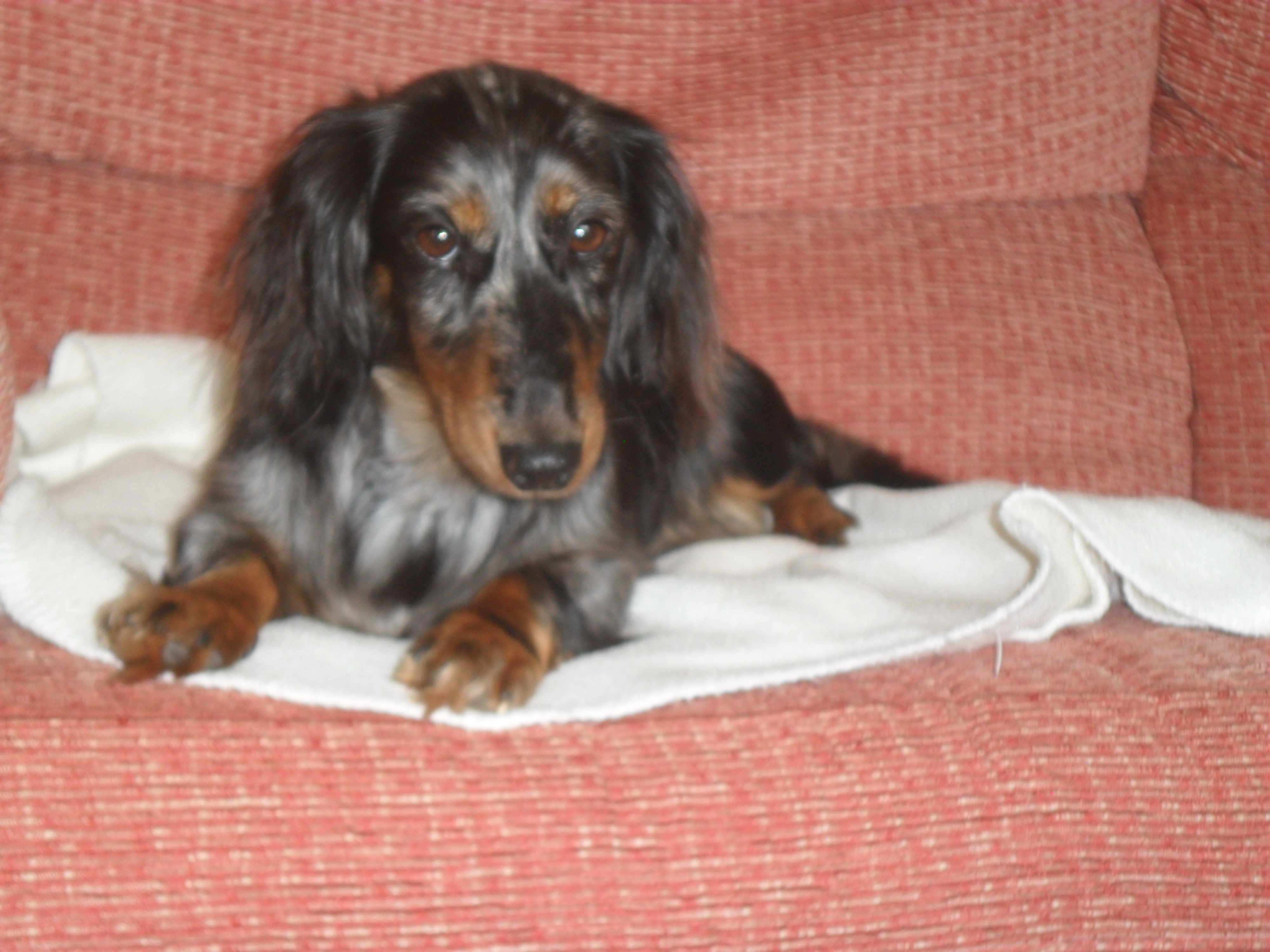
My little Dachsund, Dayna, is settling in quite well after a few minor hiccups! As soon as I picked her up from her previous home last Thursday, I popped into the Pets At Home Store. There I rashly bought 3 very large bags of a good quality dog food, one chicken, one beef and one vegetable variety, which she flatly refuses to eat. I also bought a canvas cage for her to sleep in ~ which she absolutely refuses to get into. I bought a lovely red extending lead to match her very sparkly red collar, which she chewed through during her first walk.
My wonderful dog-loving daughter in Vermont had sent me 3 books packed full of guidance on training your dog:
How to Raise the Perfect Dog by Cesar Millan
How to be your dogs Best Friend by The Monks of New Skete
Dog Stories ~ Everyman Pocket Classics.
I found these books insightful and very helpful, but obviously Dayna has previously read one called How to Get your Owner to Do Whatever You Want, so she wins hands down. One week and three leads later we have got to know each other a little better and Dayna has got me trained.
Dayna loves pouches of lamb and rice with vegetables or tins of expensive dog food ~ not dry food ~ 3 large bags of which will now be donated to the local animal rescue centre.
Dayna will walk for miles very happily with a short chain metal lead. She has no interest in being on a long extension but prefers to be within a couple of inches of my feet ~ preferably between them so I am in danger of tripping.
Dayna has no intention of ever sleeping in a cage, however sofly padded or confortably den-like, whatever the Monks of New Skete say! She prefers to sleep within licking distance of my foot in a soft bed with a fluffy cushion.
Today has been wonderful for both of us. She has been with me for every minute. First, we went back to the Pets at Home store and bought a supply of the food Dayna loves; We drove to Pershore for the Plum Festival and sat outside a cafe in the sun; We took Gerry to the dialysis centre and went for a walk; We cut all the Lavender bushes and bundled up the fabulous smelling lavender to hang up and dry, then went for another long walk; Lastly we drove back to the dialysis centre, where Dayna scrutinised every man who came out as she waited for the one she has designated the ‘leader of our pack’.
How can something so tiny have so much control? I don’t know but she gives me everything I wanted from a dog:
Loyalty, trust, companionship, healthy walks, fun, and bucket-loads of love. I think she is worth her weight in gold.
Simple and stylish
Steel bridge designed by children
Stands over the lake

 My Sanctuary
At WI I received a lovely gift in the lucky dip. It was a silver bag containing a little silver and diamanté heart and 2 bottles of Sanctuary; a brand of luxury bathroom products. It was lovely, although as I only have a shower, it may be passed to someone else!
The word ‘sanctuary’ comes from the Latin root word, sanctus, which means holy. So the primary meaning of the word is, ‘a sacred space’. Following on from this is the idea of a ‘place of refuge’, where someone can escape to and find safety.
In the year 2000 I retired exhausted from full time working, and spent a year seeking ‘sanctuary’ from a life so busy that it had overwhelmed me. Being too ill to go anywhere, my sanctuary had to come to me, so my wonderful husband built me a summerhouse at the end of the garden where I could find some healing peace.
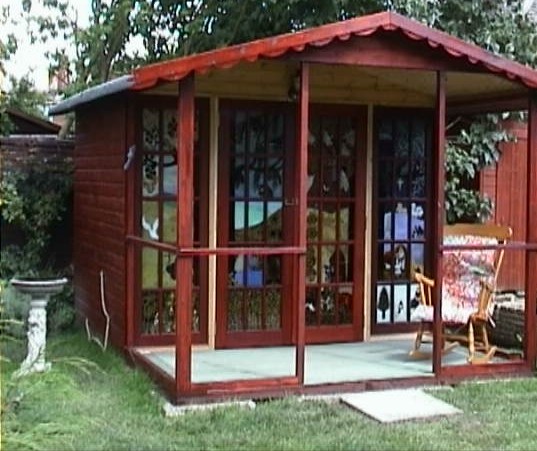
It was 3metres by 4metres made of solid wood lined with tongue and groove pine panels with a waterproof, pitched roof and 4 doors. Each door had 12 glass panes and I was inspired to paint them with glass paints.
At the time I was reading “Landmarks”, An Ignatian Journey, by Margaret Silf and the book inspired me to consider my faith journey. Knowing that the Domain in Lourdes has been the most formative place in my faith life, and thinking (wrongly) that I might never be well enough to go there again, I decided to reflect its importance in my summerhouse. Each door would have a depiction of the grotto and of water included, as well as images that I love.
I chose the 4 seasons as my theme and decided to paint the doors Spring, Summer, Autumn and Winter. Before the doors were hung I measured out 4 pieces of wall lining paper and sketched my designs
for each door. I used trees, laburnum, wisteria, maple, holly, bending towards each other to form arched shapes. I then drew images from nature related to each season, mice, hedgehogs, robins and anything else that came into my mind. Once the paper design was complete I stuck the paper onto the back of each door and drew over it straight onto the glass with ‘tube lining’. This dries quite quickly so then I started to paint!
I am not an artist so the result was very primitive, but because the glaze comes in such beautiful colours, the overall effect was stunning.
Once the doors were hung we laid electricity cables to the summerhouse so that we could light it from inside or out. This meant that at night we could see the stained glass effect shining down the garden from the house. If I was in the summerhouse on a sunny day with the doors shut, the stained glass effect cast coloured light all over the inside of the summerhouse. If I was in there at night I sometimes turned off the lights and lit candles to gain a different effect.
This was my sacred space, my sanctuary, my still point, my little bit of Lourdes and I loved it. In my summerhouse I looked deep inside my self; I wrote my life story; I restored my spirit; I emerged a different person.
Sadly, I had to move home 3 years ago, and I could not take my summerhouse with me. But I have the photographs and I just have to think of it to find a beautiful stillness.


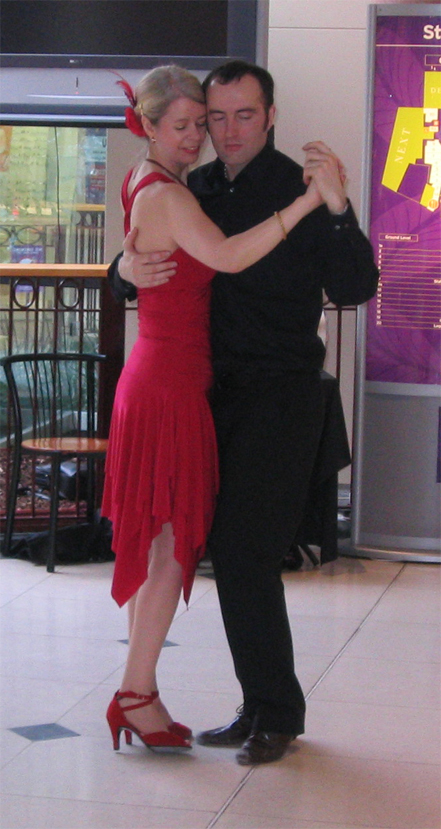 It was such an exciting evening at the last WI meeting. There was passionate, fiery and exotic music, rare footage of filmed tango, a fascinating talk and beautiful dancing demonstrations. Janet Earl and Adrian Barsby, who teach together but are not regular partners, did a double act chatting in a relaxed fashion and inviting members to ask questions or interrupt whenever they wished, rather than wait until the end. The talk was so informative, explaining the background and history of the dance as well as describing the different types of tango.
They explained that Tango is a social partner dance which originated in South America. In spite of its name, ‘Argentinian Tango’, Uruguay and Chile also lay claim to originating it. Argentine Tango should not be confused with ballroom tango which is a sanitised version of the dance developed in Europe in the 1920s and 1930s because the Argentine brand was considered a little too steamy.
Salon tango (the most social version) is a fully improvised dance, though it clearly follows rules which give it its appearance. The leader, who is usually the man, expresses himself by interpreting the music in his own steps and those which he invites the follower, usually the woman, to make. Historically, there is an element of “showing off” the woman by making her dance well. Their classes are generally based around this style of tango. There is often a tragic story being danced out!
Another style of tango is called Canyengue, which has a slightly higher stepping characteristic (possibly due to its having been dance in the sawdust and blood on slaughterhouse floors).
Tango Fantasia is a show version of the dance which is more likely to be choreographed and includes aspects of jazz and ballet dancing.
Socially, dancers also dance Milonga, which is more uplifting and happy, and Vals (Waltz) which is more graceful. Tango is danced in bars of two beats each but phrased in two lots of two bars, giving a phrase of 8 beats. Milonga is also in bars of two beats each, but phrased two bars at a time. Vals is in bars of 3 beats (though usually fast enough to be in 1), where the first beat of each bar “corresponds to a whole beat in tango”.
Janet and Adrian explained the instrument used in tango traditionally is the Bandoneon which is rather like an accordion. They played beautiful recordings of Tango music on the instrument. They delighted us by showing a clip of Rudolph Valentino and Alice Terry dancing in “the Four Horsemen of the Apocalypse” in 1921.
They explained how Tango spread to USA and came to Europe in the 1920s, mentioning lots of very famous singers, dancers and musicians whose names I cannot spell ~ Carlos di Sarli, Asto Piazzolla among them!
Janet showed us her beautiful dance outfits and her exquisite shoes, which she buys in Argentina. They finished by recommending several performances of Tango that members may wish to see locally:-
Tango at the Music Festival on 11th July, Tango, Tango at the Roses Theatre in October, Midnight Tango in Oxford and Bristol in July etc.

I woke up very early one morning to the sound of a pickaxe pounding the pavement opposite my house. Being naturally curious as well as a member of the Neighbourhood Watch scheme I got up to see what was going on. And there they were, two men, one ‘little’ and one ‘large’, digging holes in the pavement right opposite my front window! On the back of their white flatbed truck they had an assortment of tools and what looked suspiciously like a bus shelter. Since no-one had contacted us to inform us that this might be happening I rushed out in my pyjamas to find out what authority they had for the work. They told me that we should have been contacted, but their orders were to put up a bus shelter right there.
Now as you can just see from the photo my house is right opposite a lovely park with a stream and a small wood which is a delight throughout the year. I simply could not allow an ugly bus shelter to block my view. Yes I am a NIMBY!
‘Large’, who clearly underestimated the power of a woman in pyjamas, said there was nothing I could do about it as they had their orders. I said well you can’t carry your orders out if I am sitting in the hole, which I promptly did ~ yes …. in my pyjamas. At this point ‘little’ got into the van to have a smoke and ‘large’ very gallantly offered me his fluorescent yellow jacket as it was starting to rain.
Knowing me well and realising I would not be backing down any time soon my long suffering husband brought me out a cup of tea and a telephone to ring the council. Pah! The same council who had not even bothered to inform, never mind consult, the residents, I would not be wasting my time phoning them – anyway it was far too early. I would phone my MP direct. Fortunately I had his number as this is not the first protest I have been involved in. Poor ‘large’ was completely thrown when my call was put straight through to the MP’s mobile as he was at the House …. of Commons that is!
By now ‘little’ had started to get edgy and asked how long I was planning on sitting in the hole. I informed him that I could stay there as long as it took to get the decision reversed, so he called his boss. At this point passers by on their way to work had started to notice and one even took photos. I began to realise I was causing a bit of a stir – and so did ‘little’ and ‘large’. They reported this to their boss along with the fact that I was on the phone to my MP. ‘The Boss’ immediately ordered them to fill in the hole and abandon the site.
Quite bewildered but in very good humour the two men did as told and tarmacked over the holes. They never did come back and to this day there is no bus stop opposite the house, just beautiful views.
As a postscript to this I will just say that the next day I was taking my elderly mother to the cemetery to put flowers on dad’s grave when we passed the local newsagents. Mum looked at the display of newspapers in the window and said – “you’re in the papers!” To my horror on the front page was the not very fetching photo of me sitting in a hole wearing my pj’s and a yellow fluorescent jacket!
The world and his brother have seen it and that is how I came to be known as “bus stop brenda”.


 Heavenhappens
