




Someone asked me this week if I could recommend places to visit in the Cotswolds for some travellers from USA. Well I am always delighted to boast about just how special the Cotswolds are so I decided to use this as the basis of my weekly photo challenge theme, which is ‘Collage’.
Of course, the best way to truly get to know the Cotswolds is to walk the Cotswold Way. This walk is literally 100 miles of quintessentially English countryside. It stretches from Chipping Camden to Bath, taking in picture-perfect villages and ancient sites of historic interest. The entire area is designated as a place of outstanding natural beauty.
There are bus tours and mini-bus tours of the Cotswolds from towns like Stratford, which I would heartily recommend if you don’t mind being herded with the crowds. However, if money is no object, I would recommend one of the expert private tour companies who provide beautiful cars and knowledgeable drivers. They will plan a tour to reflect your interests, whether they be literary, historical, sporting, spiritual, or whatever.
You could even discover the area on horseback, glide along the rivers and canals on a boat trip, or fly over it in a hot air balloon or helicopter.
But for lucky people who live in the Cotswolds, we can spend a lifetime enjoying the scenery and discovering fascinating facts about the people and places that made the area what it is today.
There are honey coloured thatched stone cottages dotted around villages such as Wick and Winchcombe; Stately homes, Castles and Palaces like Sudeley, Warwick and Blenheim; Abbeys, Monasteries, Cathedrals and ancient Churches like Tewkesbury, Prinknash, Gloucester and Ampney St Mary.
There are also glorious rolling hills and farmland bordered by dry stone walls, where healthy sheep graze. Much of the area’s wealth arose from the wool these hardy sheep produced.
There are also majestic forests, ancient oak woodland and more recently planted specimen trees at Westonbirt Arboretum. And if gardens are your thing, we are spoilt for choice with Hidcote and Kiftsgate among many others, which include Prince Charles’s own garden at Highgrove.
The Cotswolds also has plenty for the water lovers, with beautiful rivers, canals, docks, quays and lakes. The great River Thames actually starts in the Cotswolds and we have the tidal River Severn that flows to the sea.
If that is enough to entice you to visit the Cotswolds I will now add a collage of my photos…


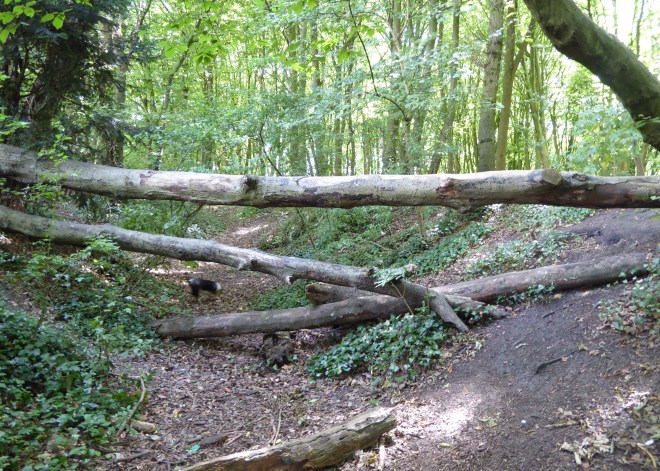
This fallen tree bridges a deep dip in Benhall woods. As I walk there each day with my little dog, Toffee, it also bridges the years and the generations for me.
I have lived opposite Benhall park and woods for over 30 years now. It is a delight to have such a wild and wonderful place in the heart of a residential area. It is filled with Silver Birch, hazel and oak trees as well as blackberry bushes.
I used to bring my children here to play when they were very young. Then, as teenagers they would play endlessly among the trees, riding their bikes (BMXs in those days) over the natural obstacle course formed long ago by the spoil from the construction of the railway that runs alongside. The bumps, dips and trenches make a perfect playground and the fallen trees add to the excitement and interest, providing endless hiding places and material for dens.
These days I bring my grandchildren to play in the woods and they love it just as much. There are always squirrels to spot and birds galore, including owls and woodpeckers that nest high up in the trees.
There is a stream running alongside the woods through a lovely park. In the stream there are ‘millers’ thumb’ fish, and this week I saw a Great Egret fishing for them!
In spring there was a carpet of snowdrops around the edges of the wood followed later by banks of bluebells in wild areas where nettles flourish.
I love the place.
Recently there has been a lot of controversy because the local council want to allow trainee tree surgeons to practice cutting down trees in the wood. I have to say I have mixed feelings about this. I do love the wildness of the wood, but, I can see some work has been carried out to good effect.
One of the saddest aspects of the wood is the tragic suicides that have taken place there in recent years. A young man hanged himself there some years ago. Then, tragically, a 15-year-old boy did in 2015 after possibly being bullied. And a 29-year-old woman sadly did the same last November while suffering from depression.
Since then I notice lots of the lower branches have been removed from the trees, making them difficult to climb and so less likely to be used for this sad purpose.


Sunset at Porthtowan, Cornwall, UK
The transition between day and night for WPC
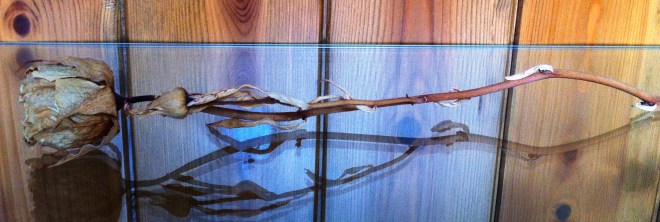
The photo I am posting for this week’s WPC theme is of a yellow rose which I keep in my glass cabinet.
Among the Ancient Romans, the rose was the symbol of victory, pride and triumphant love. But for me it is a reminder of many happy times when I travelled on pilgrimages to Lourdes in Southern France with ACROSS on the Jumbulance.
Lourdes is where Mary, the mother of Jesus, appeared to the peasant child, Bernadette Soubirous in 1858. She was described as having a yellow rose on each foot. I have been devoted to Our lady of Lourdes since I was a small child. She is my role-model, my refuge and my strength.
I consider Lourdes to be Holy ground. God’s Spirit moves there in the rushing waters of the River Gave, and in the gentle breeze that wafts down from snow-covered mountains. The Spirit moves there in the grand Basilica bathed in sunlight, and in the peaceful Grotto silent in the moonlight. Even the souvenir shops, where the staff will literally move the doors, displays and furnishings to enable a wheelchair bound customer easier access, are filled with the Holy Spirit.. For almost 160 years the sick, dying, troubled and faithful have travelled to Lourdes in the hope of finding relief, comfort, healing and grace.
But, today I am reflecting, not on Lourdes but on Fatima in Portugal. 13th May 2017, is a very special day for anyone who is devoted to Mary, as it is 100 years since she appeared to three peasant children there. This is such an important event that Pope Francis is attending the celebrations. He arrived yesterday, and one of the first things he did was to place a golden/yellow rose in the Little Chapel of the Apparitions.
For readers who are interested, there are detailed accounts of the celebrations with live recordings on the Vatican website.
Having been to Lourdes and experienced the powerful atmosphere created by 50,000 pilgrims praying, singing, or standing in silence together, I can only imagine how moving it must be in Fatima this weekend, where hundreds of thousands of pilgrims from all over the world, have gathered to pray in many different languages for unity and peace on Earth.
I am joining them online!

Beached
For this week’s, WPC theme of ‘danger’, I thought I could post my daughter’s photo of the injured seal that had worn itself out and washed itself up on the beach near Santa Cruz, where she lives. It was in grave danger until Lisa called Marine Rescue, who turned up quickly and returned to poor creature safely into the ocean.
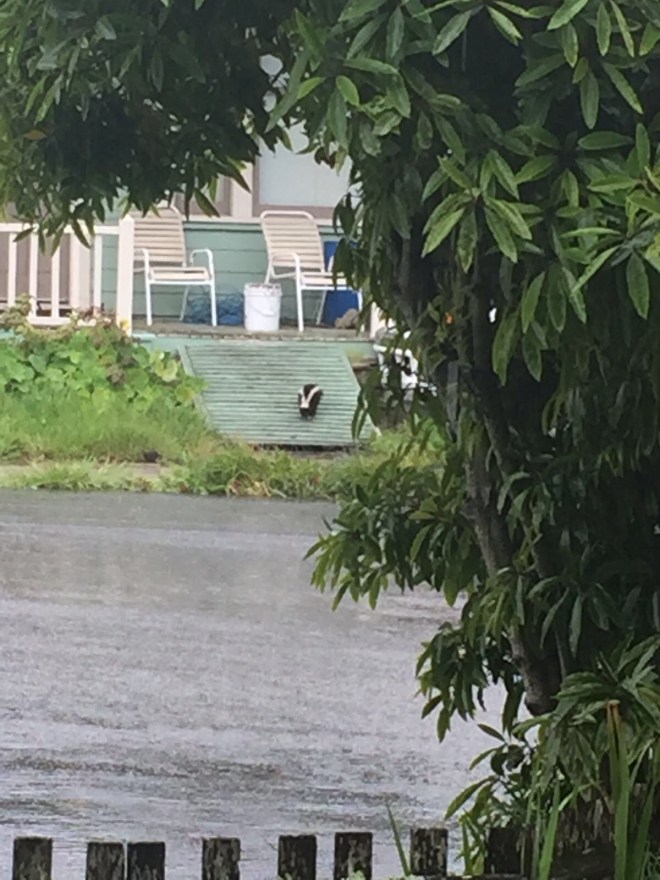
There was also a photo of a skunk walking down the garden path between Lisa and her front door! Skunks are notoriously aggressive, unafraid of humans, carry diseases and smell disgusting. She was in great danger of being attacked or sprayed as she carried her shopping in from the car.
But then, as I was reading Shakespeare’s Merchant of Venice for my Open University course, I suddenly realised just how much danger some persecuted individuals or groups have faced, over the centuries.
In the Merchant of Venice, it is Shylock who is hated for being Jewish. Shakespeare explores this brilliantly as only he can. But it reminded me of places I have visited where evidence of the dangers of being Jewish is still clearly visible, or just below the surface.
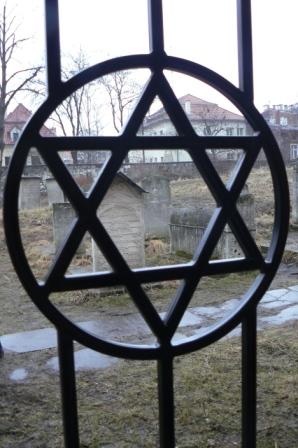
Wrought Iron Star of David on the Cemetery gate in Krakow
Last year I visited a little Catalan town called Empuriabrava. In the old town, I was horrified by the evidence of past abuse of Jews. There was a cemetery dedicated specifically to those who had been coerced into converting to Christianity.
“On 18th February, 1417 more than 100 people were baptised at the font of the Basilica of Santa Maria, surrounded by their godfathers and authorities.
In 1415, there was the first wave of mass conversions to Christianity as a result of the Perpignan ordinations driven by Benedict X111, known as “Papa Luna”. From that moment on, the converted Jews were buried in a delimited space of the Christian cemetery. The cemetery was attached to the Northern wall of the apse of the basilica. This area has been known for centuries as “the cemetery for the converted Jews”. Nowadays part of the old cemetery is occupied by the Cappella del Santissim, built in 1724, and the other part has been restored as a pedestrian walkway. “
It is a beautiful, peaceful town now but I have to say the references and reminders of those dark times were everywhere, and quite menacing.

wrought iron representing barbed wire on the cemetery wall
At Gettysberg, Maj. Gen. Joshua L Chamberlain said,
“On great fields, something stays. Forms change and pass; bodies disappear; but spirits linger, to consecrate ground for the vision – place of souls”.
I knew exactly what he meant when I travelled to Krakow in Poland.
The city of Krakow is beautiful, compact, well preserved and a joy to walk around. But my visit to the old Jewish quarter in Kazimierz as well as my visit to Schindler’s Enamel factory in Zablocie, which is now a museum, was a revelation. It happened that I was there on 14thMarch 2012, 69 years to the day of the “final purge”. The fact that this holocaust happened within living memory is horrific. The fact that slaughter of innocents on this scale may be happening in parts of the world today is unbearable.
There were about 225,000 Jews living in Krakow before the war but only about 15,000 managed to survive it with the help of brave Poles who kept them hidden, and the enigmatic German Oskar Schindler who needed the cheap labour force they provided.
In March 1941, all Krakow Jews who previously lived in areas such as Kazimierz were forced to live in the new ghetto of Podgorze. The area comprised 320 buildings which had been home to the poorest Poles. Almost 17000 Jews were now crammed into these buildings and the area was surrounded by barbed wire and walls. By the autumn of 1941 the jobless Jews who did not have the correct paperwork were transported to concentration camps or shot where they stood.
On March 13-14th 1943 the final extermination was begun. The first-hand accounts of the few who survived these events were recorded and can be heard at the Schindler factory which is now a museum. I heard that the remaining men were separated from the women and children. They were marched off to be used as forced labour. Any who could not walk unaided were shot on the spot. Then German soldiers went through the buildings clearing out the women and children to be loaded onto transport which would take them to the extermination camps. Children and babies were just thrown out of the windows onto the waiting carts, not all landed safely. The sick and elderly were just killed where they lay.
Literally thousands of Jews were loaded onto transport to the Plaszow camp where they gradually died from starvation, beating, disease, hard labour or execution. Thousands of others were taken to the extermination camp at Auschwitz-Birkenau over the next few months. The Auschwitz archives record the fate of those transported. In February 1944 the remaining men arrived, in May the rest of the children and in August the women. They all died in the gas chambers shortly afterwards. The final transport of prisoners from Krakow arrived in Auschwitz the day before the camp was liberated by the Soviet army.
For a harrowing first hand eyewitness account of all the deportations including the final purge there is the memoir, The Cracow Ghetto Pharmacy by Tadeusz Pankiewicz.
Here are some photos from the displays at the Schindler factory or the Jewish Museum which touched me greatly. They show families and groups of Jews being taken or led away from the ghetto to the camps. They had to carry whatever they could and abandon the rest. The last picture shows the Plaszow Camp between 1943-44 where women are being marched to forced labour.


While taking my little dog, Toffee, for her walks this week, I have been thinking about WPC’s cue for my blog ~ ‘Earth’.
It struck me as I wandered across the park and through the woods near my home, just how marvellous the earth is at recovering from what nature, and we humans, subject it to.
We had a short cold spell when the grass was covered in frost and the earth in the woods was as hard as rock underfoot and twisted ankles were a real danger. Then as the long and wet winter dragged on, the grass became waterlogged and sodden, and the woods were a quagmire with mud. But through it all, the snowdrop, crocus and daffodil bulbs survived, and bloomed. When the weather turned milder a few weeks ago, the blackthorn hedgerows were covered in blossom and the daisies started to appear. Then, just in time for Easter, the sun came out and transformed everything.
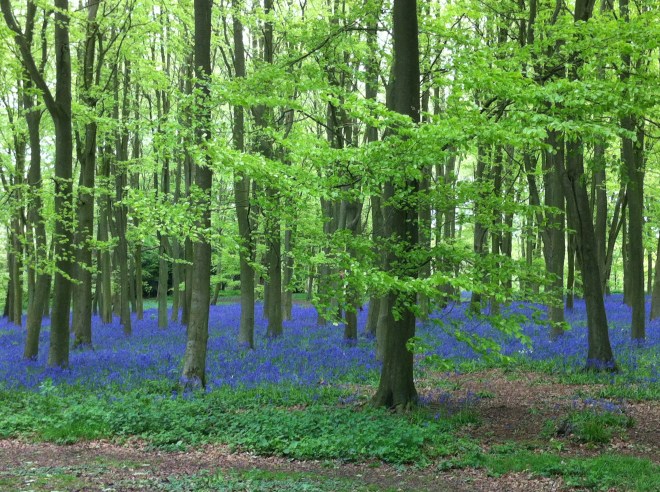
Suddenly the grass over the park is green and dry and covered in bright yellow dandelions alongside the daisies. In the woods the mud has dried up and carpets of bluebells have miraculously appeared in vast swathes of violet among the weeds, ferns and tree roots. The smell is wonderful and indescribable.
I can see why they are called the fairy flower, they are just so delicate and beautiful and seemingly appear from nowhere. They seem to speak of childhood and innocence.
As I wandered with my puppy, a poem started to form in my mind. Then it struck me that many poets, including Shakespeare, have crafted lovely verse about Bluebells, which I could never match.
So, I will include a couple of my favourites here from the Bronte sisters.
Firstly, a really poignant poem by Anne Bronte who suffered so much sadness in her adult life and died far too young.
A fine and subtle spirit dwells
In every little flower,
Each one its own sweet feeling breathes
With more or less of power.
There is a silent eloquence
In every wild bluebell
That fills my softened heart with bliss
That words could never tell.
Yet I recall not long ago
A bright and sunny day,
‘Twas when I led a toilsome life
So many leagues away;
That day along a sunny road
All carelessly I strayed,
Between two banks where smiling flowers
Their varied hues displayed.
Before me rose a lofty hill,
Behind me lay the sea,
My heart was not so heavy then
As it was wont to be.
Less harassed than at other times
I saw the scene was fair,
And spoke and laughed to those around,
As if I knew no care.
But when I looked upon the bank
My wandering glances fell
Upon a little trembling flower,
A single sweet bluebell.
Whence came that rising in my throat,
That dimness in my eye?
Why did those burning drops distil —
Those bitter feelings rise?
O, that lone flower recalled to me
My happy childhood’s hours
When bluebells seemed like fairy gifts
A prize among the flowers,
Those sunny days of merriment
When heart and soul were free,
And when I dwelt with kindred hearts
That loved and cared for me.
I had not then mid heartless crowds
To spend a thankless life
In seeking after others’ weal
With anxious toil and strife.
‘Sad wanderer, weep those blissful times
That never may return!’
The lovely floweret seemed to say,
And thus it made me mourn.
And one by her sister Emily, who also died tragically young:
The Bluebell is the sweetest flower
That waves in summer air:
Its blossoms have the mightiest power
To soothe my spirit’s care.
I was going to write a learned post about Shakespeare and Bluebells but then I thought I could just add this link about the bard’s garden.
Then I thought I could write about the beauty of bluebells but then I realised that I could never match this one by bookishnature
So I think I will just post photos of bluebells from my walks with Toffee instead!


I have made a rather obscure link to this week’s photo challenge theme, which is ‘security’. But, as regular readers of my blog know, I will use any excuse to write about my grandchildren!
One of the many advantages of spending lots of time with the grandchildren is that I can have fun playing with their toys.
Currently I am enjoying Lego Duplo with Stanley who is 4 and Thea who is 2. The sets are a far cry from the uninspiring little pieces I remember from when my children were young. They are so colourful and child friendly now, with animals and themed sets. Yet they still stimulate the imagination and encourage a world of creative play.
Fortunately I don’t have a tablet, or an ipad, or a kindle, or any of the gadgets they seem to get addicted to as soon as they can hold them these days. And, horror of horrors, I only have terrestrial TV channels, not games on demand! So at grandma’s house creative play still rules.
Thea is particularly enjoying the Forest Park and Family Pets sets because she loves animals while Stanley loves the vehicles and characters. But, however many sets they get, their first desire is still to build the tallest tower!
My older grandson, who has reached the ripe old age of 13, is also into Lego. He has a bedroom full of it and is very expert. I don’t even attempt to meddle with his models though, as they are very technical and way beyond my skills.
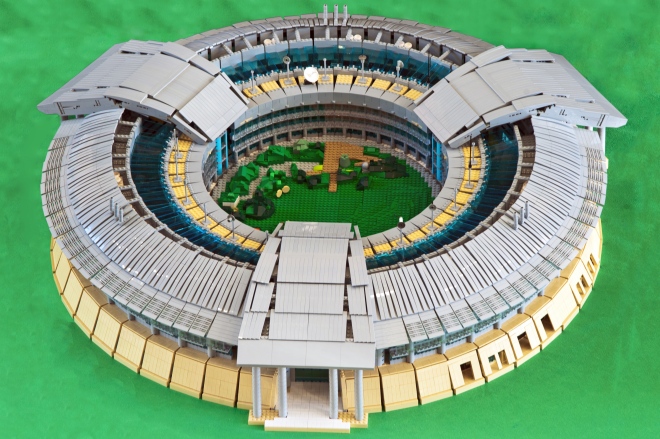
So, you can imagine how impressed I was to hear recently that part of our national security agency, the Government Communications Headquarters (GCHQ), which is based near my home, had set it’s employees the challenge of modelling the building out of Lego. This is not just any regular building, it is shaped like a doughnut, which must be really difficult to model. But they did it and the result is impressive as it would be with all their skills brought to bear.
I can’t take credit for the photo as it was on the official GCHQ website, but I do have permission to use it. I think it is brilliant, especially as it was created in order to raise funds for a local charity, Elisabeth’s Footprint, which is very dear to my heart.
Do click on the links to see more blogs on the theme of ‘security’ and if you want to know more about the Doughnut Lego model, or the inspiring story of the marvellous woman behind Elisabeth’s Footprint.
What else can you do with grandchildren in the absence of gadgets? Well, We build dens, paint, play with sand and water, picnic in the woods, take the dog for walks, or go to farms, parks and forests. If it is cold or wet we make up stories, poems and fantastical adventures…
What did you do today?
Did you go to the airport with an alligator,
Or go to the beach with a bear?
Did you eat in a café with a camel
And frighten the people there?
Did you build a den for a dinosaur,
Or run through the grass with emu?
Did you go to the fairground with a fox?
Did he win a goldfish for you?
Did you play houses with a hedgehog,
Or go ice-skating with an impala?
Did you drive a jeep with a jellyfish,
Or fly a kite with a koala?
Did you eat lunch by the lake with a lamb,
Or play marbles with a monkey?
Did you go on a nature trail with a newt?
Now that would be quite funky.
Did you eat an orange with an octopus,
Or splash in a puddle with a pig?
Did you quiver and quake at a queen bee,
Then go out and dig?
Did you ride the rails with a reindeer,
Or go to the seaside with a snake?
Did you climb a tree with a tiger?
Now that would be a mistake.
Did you race upstairs with a unicorn,
Or drive a van with a vole?
Did you make a wish with a wallaby,
Or did you do nothing at all?
Did you swim with an x-ray tetra,
Or sail on a yacht with a yak?
Did you go to the zoo with a zebra?
Tomorrow ~ are you coming back?
Poem by Brenda Kimmins.


What a fascinating theme for this week’s photo challenge, the colour green is.
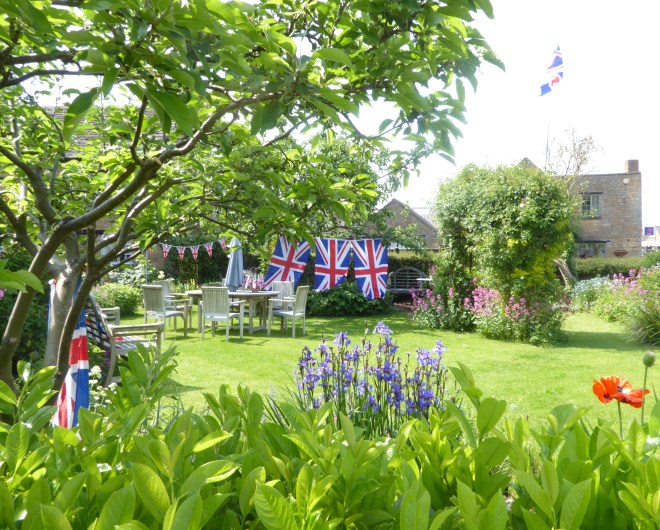
I chose the featured image, showing the flag of the United Kingdom, which I took in Willersey during the Queen’s 90th birthday celebrations, as a mark of respect for those who died or were seriously injured as a result of a supposed terrorist attack in Westminster on Wednesday. My heart goes out to all of them but especially the policeman who was murdered doing his job of controlling access to the Houses of Parliament. My nephew is a member of the Metropolitan police and knowing what a wonderful person he is, I expect that PC Keith Palmer was equally dedicated to his duty of keeping the public and our members of Parliament safe. He did not deserve to die like that and his memory will be treasured by everyone who cares about the values of democracy; peace, freedom, human rights, the rule of law.
I’m not really a green person fashionably speaking as I don’t think I suit the colour. I do try to be green ecologically in that I recycle or reuse whatever I can and I try not to waste anything. I guess I am green emotionally as I am a pushover for a charitable cause if it is anything to do with children, or people in distress through poverty, illness or homelessness. Physically, I have to admit that most fish dishes can turn me green as can anything with peppers in as I am allergic to them. This is quite a problem when eating out these days as most salads, and a lot of cooked dishes, seem to have peppers in them cunningly disguised in some cases as tomatoes or cucumber.
But thankfully all the WPC requested this week was a single photo or a gallery of photos reflecting the colour green. This is a joy to me as I live in an area of outstanding natural beauty, and I love taking photos. I love the green rolling hills of the Cotswolds, the fresh green fields of the sheep folds and cattle farms, the wild greenery of the hedgerows and roadsides, the manicured lawns of the stately homes, and the lush planting in much loved cottage gardens. They all make wonderful backdrops to any photo. But most of all I love trees. There really is no manufactured or digitally created frame that can improve on a picture framed by trees in my opinion.
I have included photos that I have taken on various days out or holidays too so they are not all of the Cotswolds, or even the UK!
So here below is a gallery of green for you to enjoy…
Greenery framing lovely buildings…


Green enhancing the view…


Green as a backdrop for animals…


Each week I spend lots of time with my pre-school grandchildren and I love every minute of it. I have so much fun joining in their fantasy worlds where dinosaurs roar, toy trains hurtle through tunnels, sparkly unicorns upstage colourful ponies, and teddy bear families have picnics under blanket-covered playpens.
There is not a bit of my tiny house that hasn’t been given over to play, and that includes the garage, shed and garden.
I realised this week that although I may be getting close to my second childhood, I am actually reliving the one I missed and wished I had enjoyed.
I was born just after the second world war in a northern city which had been in dire straits with poverty and unemployment even before the shipyards, mines, factories and chemical works were bombed. The after effects of the war meant more joblessness, more shortages, and rationing of even essentials like food. Toys were a luxury that very few children in my area had, unless they were home made. Thankfully I had a clever mum who knitted dolls and soft toys, and a wonderful dad who wittled away at wood to make tops and whips and covered them with shiny paper for decoration.
Add to the mix the fact that in the 1940s children tended to be tolerated in the family rather than central to it as they are now. And, as well as all that, or maybe because it, I was a very sickly child who spent a lot of time in hospital, or a horrendous children’s convalescent home where the idea of play therapy was light-years away.
The result as I remember it, was a rather unhappy childhood, thankfully worlds away from the one that my grandchildren are enjoying.
However, the advantage of my early experience is that I developed a vivid imagination and have a buried need for creative play, which is at last being given free rein.
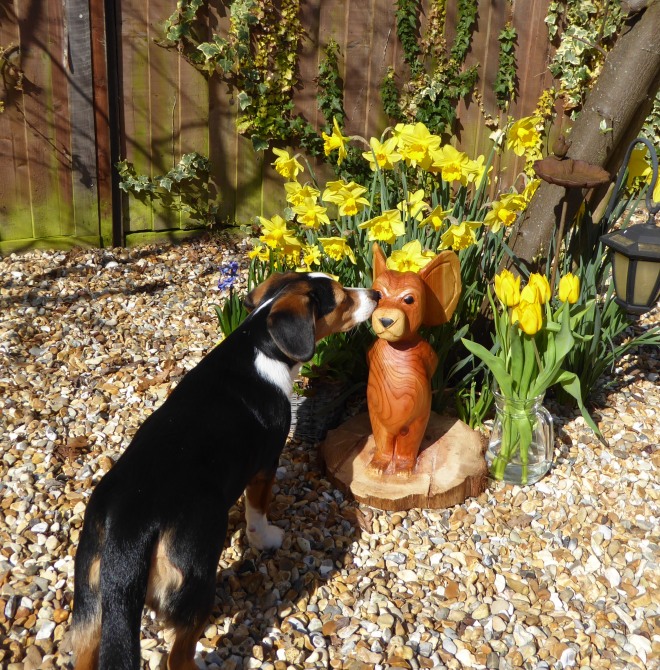
The trigger for this line of thought is in the photo. No, not my puppy, but the mouse! I have been collecting the characters from The Gruffalo story for the grandchildren and the mouse is rather special. It was created by a local woodcarver from a bit of fallen tree in the Forest of Dean. There is a marvellous museum there called the Dean Heritage Museum celebrating the mining and forest crafts that used to go on in the area. One of the attractions is a magnificent Gruffalo trail where each of the characters is carved from wood. I just had to have the mouse for my garden. I thought it would enjoy living among my daffodils for a while. As I stood atop them I wondered if I could find a home in my garden for a 6 foot Gruffalo? The grandchildren would love it!


Grandma’s house is very small
Just 2 bedrooms off the hall
A tiny kitchen, shiny-floored
A larder where my treats are stored
A shower with a seat inside
Wardrobes where doggy and I can hide
An archway leads into the lounge
Where furniture gets moved around
To make a station for my trains
Or an airport for ‘copters and planes
Sometimes it’s a racetrack for my cars
Or a farmyard with tractors, paddocks and barns
Grandma puts blankets over the table
To make a den, a forest or a stable
In the garden there’s gravel that scrunches when I walk
And a patio where I can draw pictures with chalk
In granddad’s shed there are drawers full of tools,
Boxes of nails, tubes of glue, jars of screws
A little mouse is nesting inside the wood store
While outside live birds, bees, hedgehogs and more
Grandma says her shed is a magical place
It’s furnished and carpeted and curtained with lace
Lavender hangs drying from the painted ceiling
While pine shelves are covered in things that have meaning
Like Icons from Finland, and medals from Lourdes
Calabash from Africa made out of gourds
Matrushkas from Moscow, maracas from Spain
I can’t wait for summer to play there again
Grandma loves it when I come to play
She makes indoor picnics we eat off a tray
She has lots of photos all over her wall
The best one is my mummy when she was small.
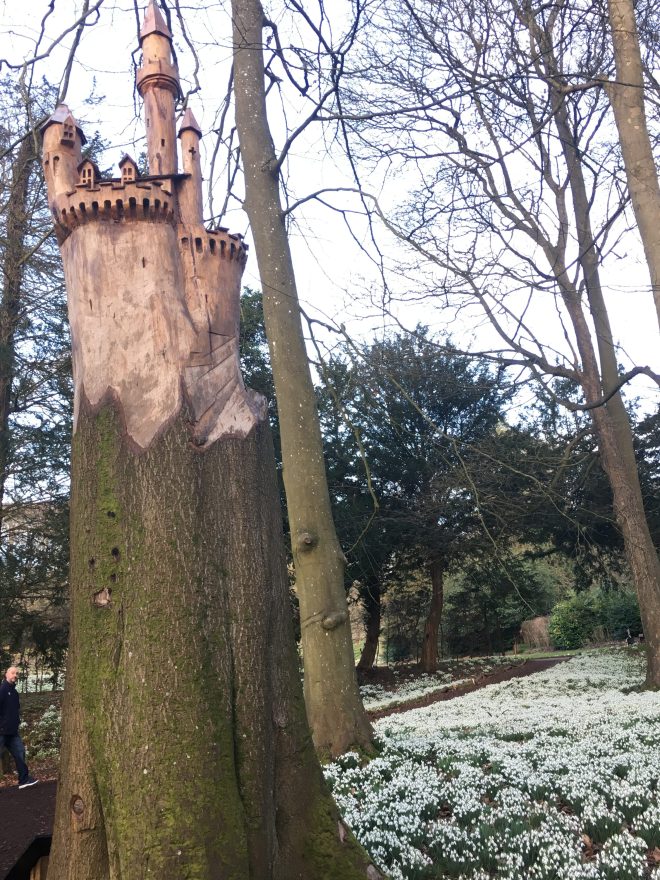
One of the best things about this time of year in the UK is the abundance of spring flowers that battle their way through the cold wet earth. In my garden the hellebores have been flowering since Christmas, the snowdrops all through February, and the daffodils popped out as March poured in. This is something of a miracle as I was sure my little puppy had destroyed them all with her frantic digging. But thankfully they survived her and Storm Doris.
In the park opposite my little bungalow there are banks of snowdrops growing beside a stream, clumps of crocuses among the trees, and a touching display of daffodils that appeared in 2010 spelling out, “Will You Marry Me?” I walk my dog there every day.
But for a really impressive display I have to go a little further into the Cotswold countryside and take a walk around the Rococo Gardens at Painswick or Colesbourne Park.
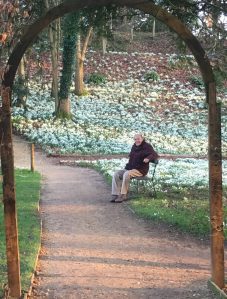
This year the road taken had to be meticulously planned and carefully executed as my husband came with me to both places. He has been using a wheelchair for the last 18 months due to his medical conditions and the debilitating effects of his treatment. But over the last two months he has made great progress and started walking indoors with some mobility aids. He has done so well that I was determined to take him to see the snowdrops. This would be his first walk in the great outdoors. It was a bit difficult in some places due to uneven ground or slopes, but together we did it. Fortunately there were lots of places to rest on the road taken. It was a lovely afternoon out for us both.
Leaving my husband to rest on a seat in the Rococo Gardens, I wandered down a gravel path and came across a most unusual sight. A fairy castle inspired by Schloss Neuschwanstein in Bavaria was carved on top of a fallen birch tree. According to the label it was created by chainsaw sculptor, Denius Parson. It really was impressive.
I was joined on my walk, as I often am, by a friendly robin. I enjoyed the sights as he hopped about bending his head to watch me. There were banks of snowdrops in every direction, with little clumps of cyclamen and hellebore dotted about, and daffodils just beginning to show.
Enjoy my spring photos from the Rococo Garden. It was dull and drizzly and the sun was setting by the time we left but the photos show the abundance of snowdrops …


I was looking through my photos for this week’s photo challenge on the theme of a ‘good match’ when I came across some that I took last summer in Gloucester. I was there to enjoy the spectacular celebrations to commemorate the 800th Anniversary of the coronation of the 9-year-old King Henry 111.
In the Cathedral, there is a stained-glass window depicting the original event, which took place in St Peter’s Abbey on 28th October 1216. It must have been overwhelming for the young Henry to go through this ceremony just 10 days after his father, King John, had died.
The celebrations started with a splendid procession through the streets led by Knights on horseback. This was followed by a spectacular performance of the anointing, enthronement and crowning of the boy King in what is now the Cathedral.
The Cathedral was decorated beautifully with pungent herbs, grasses and flowers which would have grown locally in medieval times. Walking on the herb-strewn stone floor created a heady aroma from the crushed rosemary and lavender.
A local schoolboy, Fraser Martin, played the part of the boy king. He was very majestic in the role and yet vulnerable looking. In fact, everyone was dressed so beautifully and took the occasion so seriously, that the atmosphere was literally awe-inspiring and very moving.
There was entertainment in the cloisters after the ceremony and a medieval tournament in the grounds. The very authentic looking ‘Barons’ and ‘Knights’ put on a wonderful show of fighting with medieval weapons. They really were a good match.
Henry 111 went on to rule for 56 years and 29 days until 1272.



Toffee with her rosette for passing her obedience training
If you read my last post you will know that I have a new puppy. She was named Toffee by my grandchildren as her ears are rather toffee coloured on the underside. Toffee is nearing 6 months old and is still as uncontrolled and crazy as only a puppy can be.
She is supposedly a Pembroke Corgi crossed with a Dachsund but I am convinced there is a bit of Beagle in her. She will hunt anything and seems to live with her nose permanently pressed to the ground. She digs up borders, gravel and pots as if her life depends on it and I can certainly say goodbye to any hope of a daffodil display this spring.
Indoors she seems to have taken a dislike to my soft furnishing style. She has bitten holes in my towels, pulled threads in my throws, chewed the corners of the cushions, and my rugs are ragged. My slippers are shredded and my socks all have holes in them. But somehow she manages to still be appealing.
On the plus side she is clean, preferring to do her toileting under my much loved maple tree.
I have been taking her to ‘obedience’ training classes for the last 6 weeks and against all the odds she passed!
She has a certificate and a rosette to prove it!
I am still amazed that she managed to fool the trainer but I am oddly proud of her.


I recently started my second free course with the Open University at futurelearn.com
The first course was “Start Writing Fiction“, which was a hands-on course focused on the central skill of creating characters. My current course is “Literature and Mental Health: Reading for Wellbeing.” The course aims to explore how poems, plays and novels can help us understand and cope with deep emotional strain.
Readers who were used to following my blog weekly will have noticed that I have written nothing since I lost my little Dachsund, Dayna, who was the subject of my last post. Maybe other pet owners, especially dog owners, will understand the depths of my despair at losing Dayna.
I am blessed to have a husband, adult children (albeit three of them live abroad), supportive friends and adorable grandchildren. But, although I love them all dearly, after losing Dayna I was inconsolable. I gradually slipped into a downward spiral of despair and lost interest in going out, seeing friends, talking to people, cooking or even eating. All I wanted to do was stay at home and curl up under a blanket wallowing in my misery and solitude. I felt bereft and ridiculously lonely. Hence my interest in finding ways to cope with ‘deep emotional strain’.
All of my children are dog lovers and my eldest daughter volunteers at a rescue centre in California. They recommended that I get another dog – not as a replacement because my precious Dayna is irreplaceable, but as a companion. So I started to search. How I found my new dog is a long story which I will save for another day but suffice it to say she is NOT Dayna
My new puppy was 10 weeks old when I got her, and supposedly a Corgi crossed with a Dachsund. However everyone including the local vet is convinced she is a Beagle cross. I personally think there is a bit of shark in her too. She is very cute and slightly crazy most of the time but totally adorable of course. My grandson, Stanley, christened her Toffee and instantly fell in love with her. Well who wouldn’t?


Anyway, I started the course and I am finding it very stimulating. It is brilliantly put together with input from poets, authors, doctors, psychiatrists and research scientists, as well as the wonderful actor Sir Ian McKellen, and the amazing Stephen Fry who defies categorisation!
There are countless opportunities for online discussion with other course participants and it was a discussion about the poet Edward Thomas that led me to drive to Adlestrop today.
Edward Thomas was primarily a nature poet and he wrote his famous poem Adlestrop when the train he was travelling on stopped there unexpectedly on 24 June 1914, just before the outbreak of WW!. Instead of getting irritated, he used all of his senses to take in his surroundings and wallow in the details.
Edward Thomas joined the Artist’s Rifles in 1915 and sadly was killed in action in France in 1917. Interestingly, his widow, Helen Thomas wrote two books after his death reportedly to help her recover from her deep depression.
Yes, I remember Adlestrop —
The name, because one afternoon
Of heat the express-train drew up there
Unwontedly. It was late June.The steam hissed. Someone cleared his throat.
No one left and no one came
On the bare platform. What I saw
Was Adlestrop — only the nameAnd willows, willow-herb, and grass,
And meadowsweet, and haycocks dry,
No whit less still and lonely fair
Than the high cloudlets in the sky.And for that minute a blackbird sang
Close by, and round him, mistier,
Farther and farther, all the birds
Of Oxfordshire and Gloucestershire.
Edward Thomas 1878 – 1917


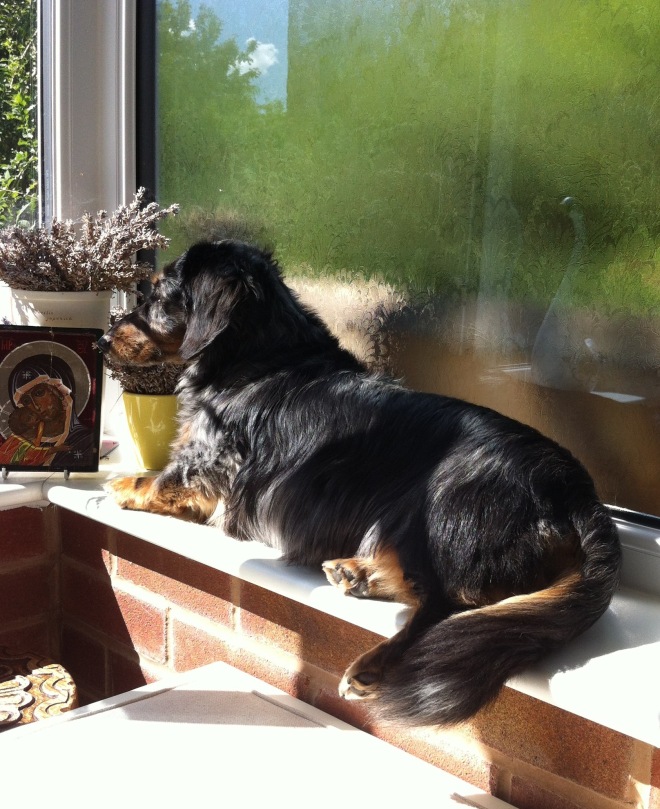
I’m posting a photo of my much-loved dog Dayna today sitting in our porch. This is where I like to sit and write, colour or do puzzles in my very rare free moments. I am proud to say that until Sunday 16th October, wherever I was you would find Dayna very close by. In the porch, her favourite spot was the windowsill. She would sit there guarding me from the world and watching the people go by. Being south facing our porch is warm and cosy and a great suntrap. Dayna’s beautiful silver dapple coat of fur would shine in the sunlight as she sat, so proud of herself in her little domain.
Just four momentous years ago I wrote about the little Dachsund, Dayna, that I rehomed. She settled in quite well after a few minor hiccups! As soon as I picked her up from her previous home, I popped into the Pets at Home Store. There I rashly bought 3 very large bags of a good quality dog food, one chicken, one beef and one vegetable variety, which she flatly refused to eat. I also bought a canvas cage for her to sleep in ~ which she absolutely refused to get into. I bought a lovely red extending lead to match her very sparkly red collar, which she chewed through during her first walk.
Feeling desperate I appealed to my wonderful dog-loving daughter in Vermont who sent me 3 books packed full of guidance on training your dog:
How to Raise the Perfect Dog by Cesar Millan
How to be your dogs Best Friend by The Monks of New Skete
Dog Stories ~ Everyman Pocket Classics.
I found these books insightful and very helpful, but obviously Dayna has previously read one called How to Get your Owner to Do Whatever You Want, so she wins hands down. One week and three leads later we got the measure of each other and Dayna had got me trained.
Dayna would eat fresh meat or fish, any kind of cheese, pouches of lamb and rice with vegetables, or tins of expensive dog food. On no account would she eat dry food however expensive ~ 3 large bags of which were donated to the local animal rescue centre.
Dayna would walk for miles very happily with a short chain metal lead. She had no interest in being on a long extension, preferring to be within a couple of inches of my feet, preferably between them so I am in danger of tripping.
Dayna had no intention of ever sleeping in a cage, however softly padded or comfortably den-like whatever the Monks of New Skete say! She prefers to sleep within licking distance of my foot in a soft bed with a fluffy cushion.
We had some great days out. In Pershore for the Plum Festival we sat outside a cafe in the sun where every passer-by fell in love with her. At the seaside she gloried in the freedom of the beach. In Wick at the Confetti Fields, she climbed on a trailer and surveyed the scene. She had such a big personality for such a small dog.


Loyalty, trust, companionship, healthy walks, fun, and bucket-loads of love. She was worth her weight in gold.
Then on Sunday, the anniversary of my mum’s death, Dayna was tragically killed on a busy road near our home. She was being taken for a walk on a new lead which somehow came loose as she excitedly pulled to cross the road in a hurry to get back to where she was happiest ~ in our little bungalow, with her little pack ~ her domain, her world.
My heart is broken by her loss. She is irreplaceable. But her memory will shine on in our hearts forever.


We are truly spoilt for choice in our local area for interesting places to go. I am so lucky to have grandchildren who I can use as an excuse for going to all the farm parks, forests, steam railways and adventure playgrounds.
There certainly wasn’t anything like that where I grew up in the North of England. My playground was the shipyards on the River Tyne, abandoned coal mines, or the sand dunes and castle ruins on the North Sea Coast.
The child in me can never get enough of our local Wildlife Park at Burford. It is so well run and the animals are the first priority. It is such a joy to see the beautifully maintained grounds and healthy happy animals living as naturally as it is possible and safe for them to be. I have a season ticket there and go as often as I can with the grandchildren.


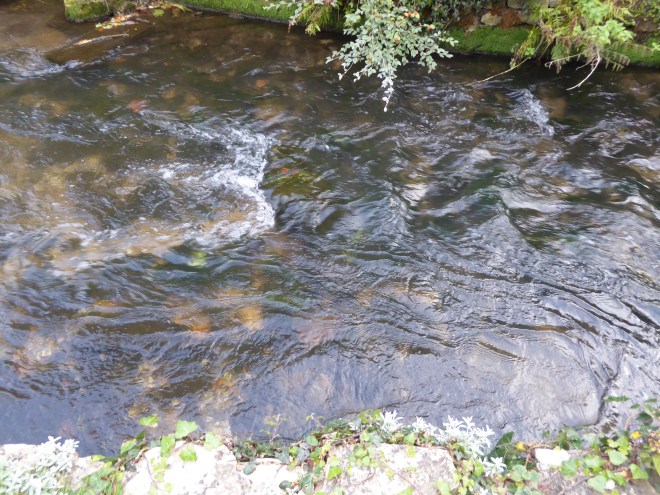
Autumn is one of my favourite times to go out and about in the Cotswolds. When the children are back at school and most of the tourists have gone home, the villages and parks are reasonably quiet. It is a pleasure then to stroll around them and enjoy the peace and quiet and natural beauty.
I live in a Spa town which was founded on the health giving properties of the natural spring water so water is a common feature around here. Indeed just off the old Roman Road to Cirencester is an area called Seven Springs.
One of the most unusual Springs is where the water gushes out of a stone crocodile head. I love the fact that a respected cotswold stone builder from the nearby village of Hazleton built this feature in the 19th Century. Presumably some local landowner paid for it. The spring water has been gushing out of the crocodile’s mouth ever since. Some days, like yesterday, after lots of heavy rain, it is a truly spectacular sight.


Many Cotswold villages have delightful streams or rivers running through them and none is more beautiful than Bourton on the Water. This delightful town is a favourite of mine when the sun is setting and the only activity is the ducks settling down for the night.


This week I am just posting some photos that I love for WPC on the theme of curve
The first batch are from Stratford on Avon taken this April at Anne Hathaway’s Cottage and along the curve of the River Avon looking towardfs Holy Trinity Church where Shakespeare and Anne are buried.


Next are some exquisite photos of Calla Lilies taken by a friend, Anne Bate-Wiliams, in her garden. The curves are delicate and totally unmatched in the manufactured world for beauty I feel.


Lastly, some beautiful curves both natural and man-made that I spotted in Dorset. The Ammonite-like decorative lampposts are in Lyme Regis and reflect the fact that many fossils are found on the Jurassic Coast.
The other photos are from Abbotsbury and Bennets Water garden
http://abbotsbury-tourism.co.uk/gardens/http://www.bennettswatergardens.com/


Shakespeare used snow as a symbol of purity many times in his plays. Hamlet says to Ophelia,
Be thou as chaste as ice, as pure as snow
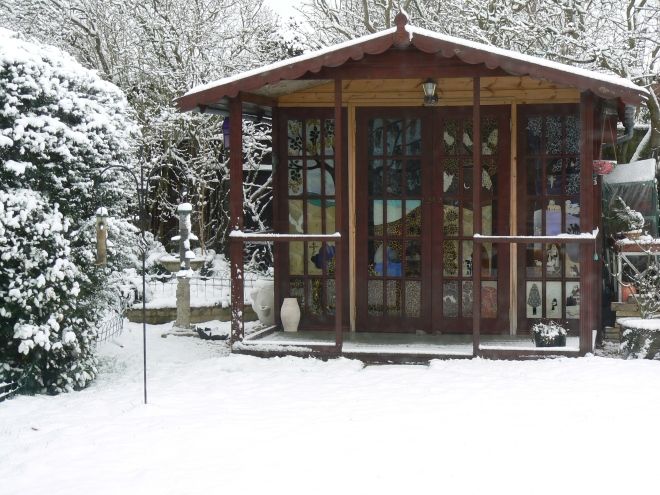
This week I have chosen a photo I took some years ago in my garden. There is nothing so pure as a fresh fall of snow, and when it surrounds my sanctuary it is perfect. This is a place where I found pure peace, in which to rest, reflect and recuperate. You can find the story behind it, and more photos here… http://wp.me/p2gGsd-eV
Musicians, poets and artists have often taken inspiration from snow. To commemorate the centenary of WW1 there was an original play titled Will Harvey’s War performed at our local theatre. I was lucky enough to play a singing farm-worker in that play. We sang some beautiful songs reminiscent of the times. One of them was “Oh Snow”, with music by Edward Elgar and words by his wife, Alice Elgar. It was exquisite to sing. The music is absolutely beautiful and, with complex harmonies (I sang the Alto part) arranged by Caroline Edwards, our rendition was very moving. The purity of the music perfectly captures a fall of fresh snow drifting and whirling in the wind.
O snow, which sinks so light,
Brown earth is hid from sight,
O soul, be thou as white
Be thou as white as snow
******************
Then as the snow all pure,
O heart be, but endure
Through all the years full sure
Not as the snow, not as the snow.

On 11th June 2016 our Queen will celebrate her official 90th Birthday and her husband, Prince Philip will be 95! These are wonderful ages to reach and definitely worth celebrating.
London is already awash with flags and the celebrations start tomorrow. Nobody covers royal events as well as the Daily Mail so do click to see the fabulous images of London bedecked.
I’m sure there are street parties planned for cities, towns and villages throughout the UK and beyond. On my travels through the Cotswolds I have seen lots of bunting in the streets and flags flying from shops churches, public buildings of every sort, as well as private homes and gardens.
I went to Willersey yesterday which is a gorgeous little village. It is quintessentially Cotswolds with its duck pond, village pubs, honey coloured stone houses, and beautiful cottage gardens. It also has a village shop which has got to have the most helpful owner in the world. My sister in law was desperate to buy some bread to take back to her caravan for tea so she popped into the only shop in the village. Sadly, they had sold out of bread but the owner said,
“wait a minute I’ve just used 2 slices out of my loaf, you can have the rest of that”
He then ran upstairs to his flat above the shop and returned with the remainder of his lovely crusty seed-topped brown bread! Can you imagine getting that level of care and service in a city or town supermarket?
Willersey was like a model village perfectly dressed for a royal themed party. There was bunting all over the pubs, and flags flying high in the summer breeze. Several owners had really gone overboard with the decorations in their gardens as you can see from my photos below. One in particular had a garden table and benches covered in union flags with more flags and bunting in the trees as well as a huge flag on a flagpole. It looked beautiful against the poppies and colourful flowers in the border.
Willersey is holding a really royal party all afternoon and evening on Saturday 11th. I do hope the weather stays fine for them. There will be royal themed fancy dress and hats, races to the next village, themed picnics, and lots of musical entertainment. There will also be a royal pageant and a whole village photo for the archives. The day’s events will be rounded off by a Toast to the Queen and everyone writing a message in a giant card for Her Majesty.
It should be lots of fun.


 Heavenhappens