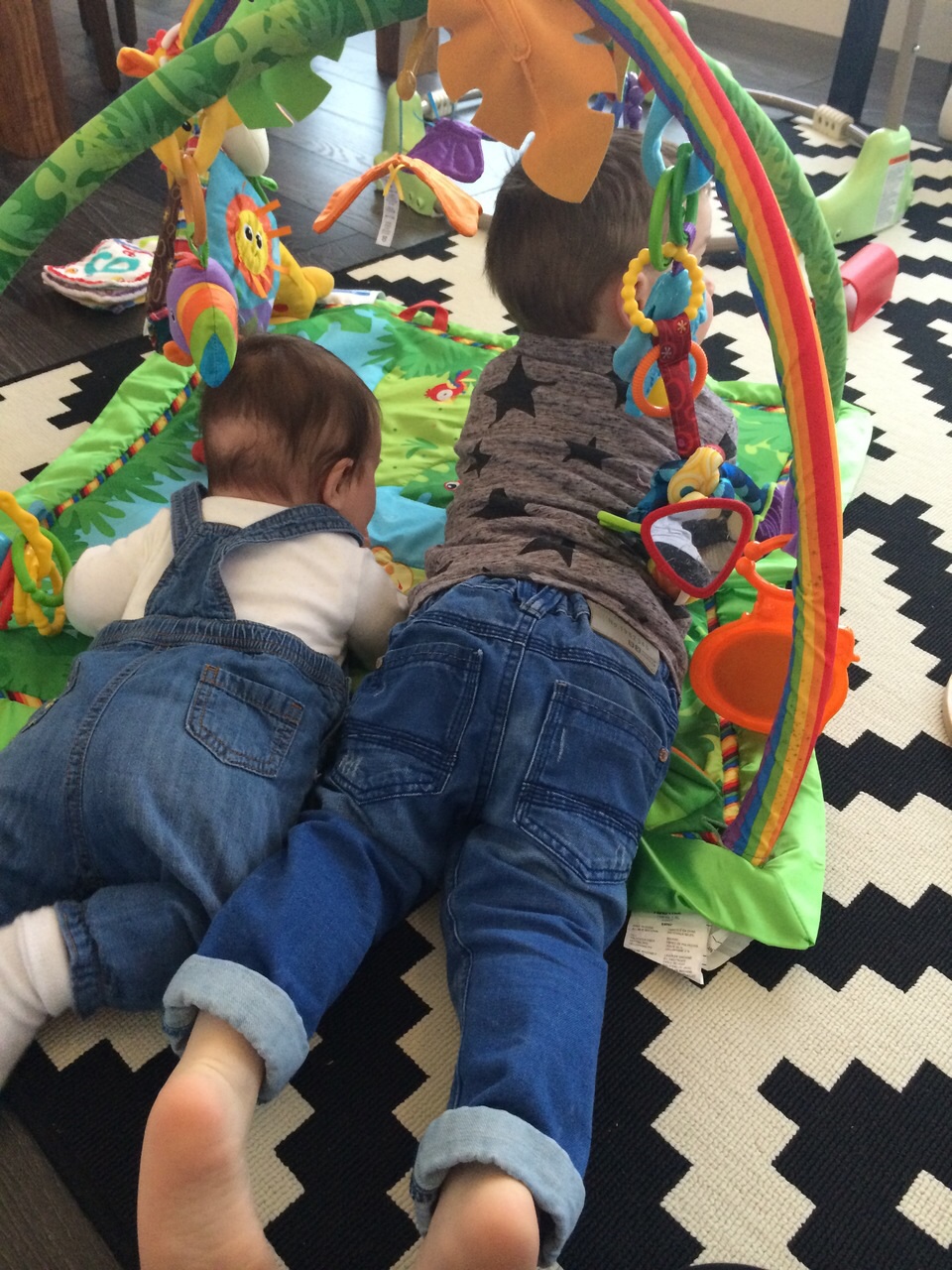
Jungle playmat
The differences between being a child in postwar Britain, a parent in the 1970’s, and a grandparent today are amazing to me. When I was a child there were still shortages of food which meant essential supplies were rationed while luxuries were just none existent for the ordinary family. This made for a simpler diet with few choices and little chance of overindulging. However, undernourishment was such a big issue for children at the time that the government provided orange juice, cod liver oil, malt extract and often a tonic like Minadex for every school age child. Babies and schoolchildren were given free milk.
Food was basic, grown, fished or farmed, and home cooked. There was very little processed food and no such thing as ready meals! Packaging was practical and simple too. Butter and cheese was cut off a large block and wrapped in greaseproof paper then put in a brown paper bag. Sugar, flour and dry goods were scooped out from large sacks, weighed and poured into paper bags. Fresh fish was bought straight from the quayside or from a man who brought it round the houses in a horse and cart. Bread and pastries were usually baked at home or bought from the local baker, while meat was from the local butcher and chickens were often still alive! Every town had a High Street which had a selection of specialist shops and there were ‘corner shops’ in most residential areas. In fact when my grandfather left the army in 1952, he bought a corner shop right next to the hospital off the West Road in Newcastle. Some shops, like Woolworth’s, were quite large, but nothing like the huge supermarkets of today.
Women, and it was almost always women, had large sensible shopping bags, which were used over and over again. Plastic bags had not been invented. Often the shopping was delivered to the housewife in a cardboard box by a lad on a bicycle or a man in a van. This was essential as working class women, or indeed men, would not have had a car. We have gone full circle here as so many supermarkets deliver shopping now, but not for the same reason!
But to get back to childhood, babies as far as I remember were dressed and treated as babies until they were about 3 years old. They would be put in a big pram and stuck outside in the garden or yard, or often, on the street outside the front door. Here the child would sleep or watch the world go by for hours between feeds with a few toys. My soft toys would have been knitted by my mum while my dad would occasionally make wooden toys. Toys, being few, were treasured. I still have the doll I had when I was 1 and the golly (sorry) my mum knitted when I was 4. Boys would often have tin cars or lead soldiers, both of which would be considered dangerous now.
Today things are so different. Babies are socialised and stimulated from the earliest age. My grandchildren are taken to ‘bounce and rhyme’, baby gym, play barns, swimming classes, baby massage etc. etc. It amazes me to see the speed of their development. And at home the range of toys is breathtaking. Everything seems to have movement, music, colour and lights built in. Even books have appropriate sounds alongside the story. And, before babies can even crawl they have play mats like the one in my photo. This 3D mat has all the colours of the rainbow in it. It is based on a jungle theme so there are animals adorning it. It is soft, safe, supportive and stimulating. It plays a variety of music, animal noises, and even waterfall sounds. It has given my grandchildren hours of pleasure. I chose this photo for a couple of reasons. It shows my two and a half year old grandson teaching his 8 month old sister how to roll over. It is so cute and the clothes just tickle me. Denim jeans on a baby I find hilarious and absolutely adorable.
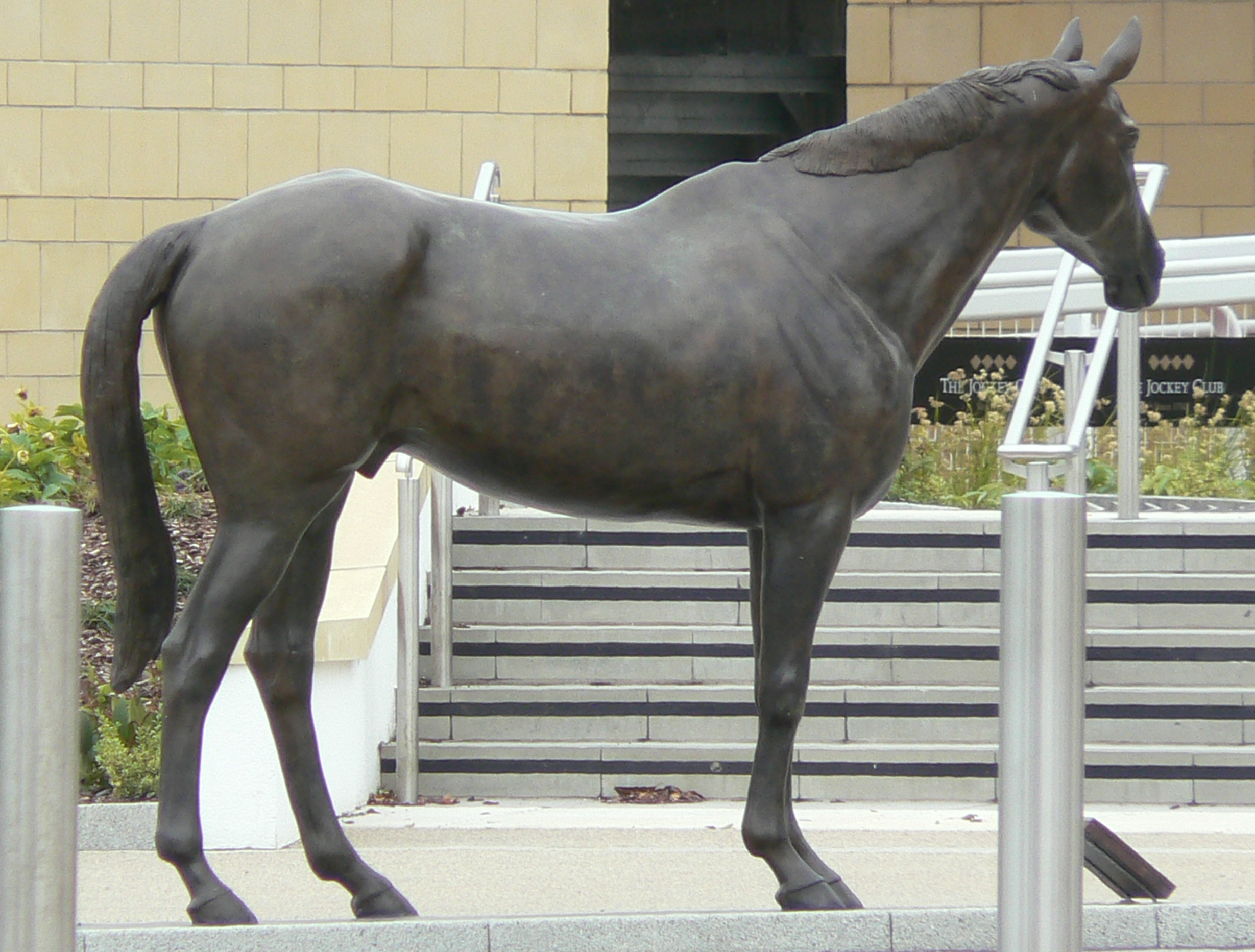
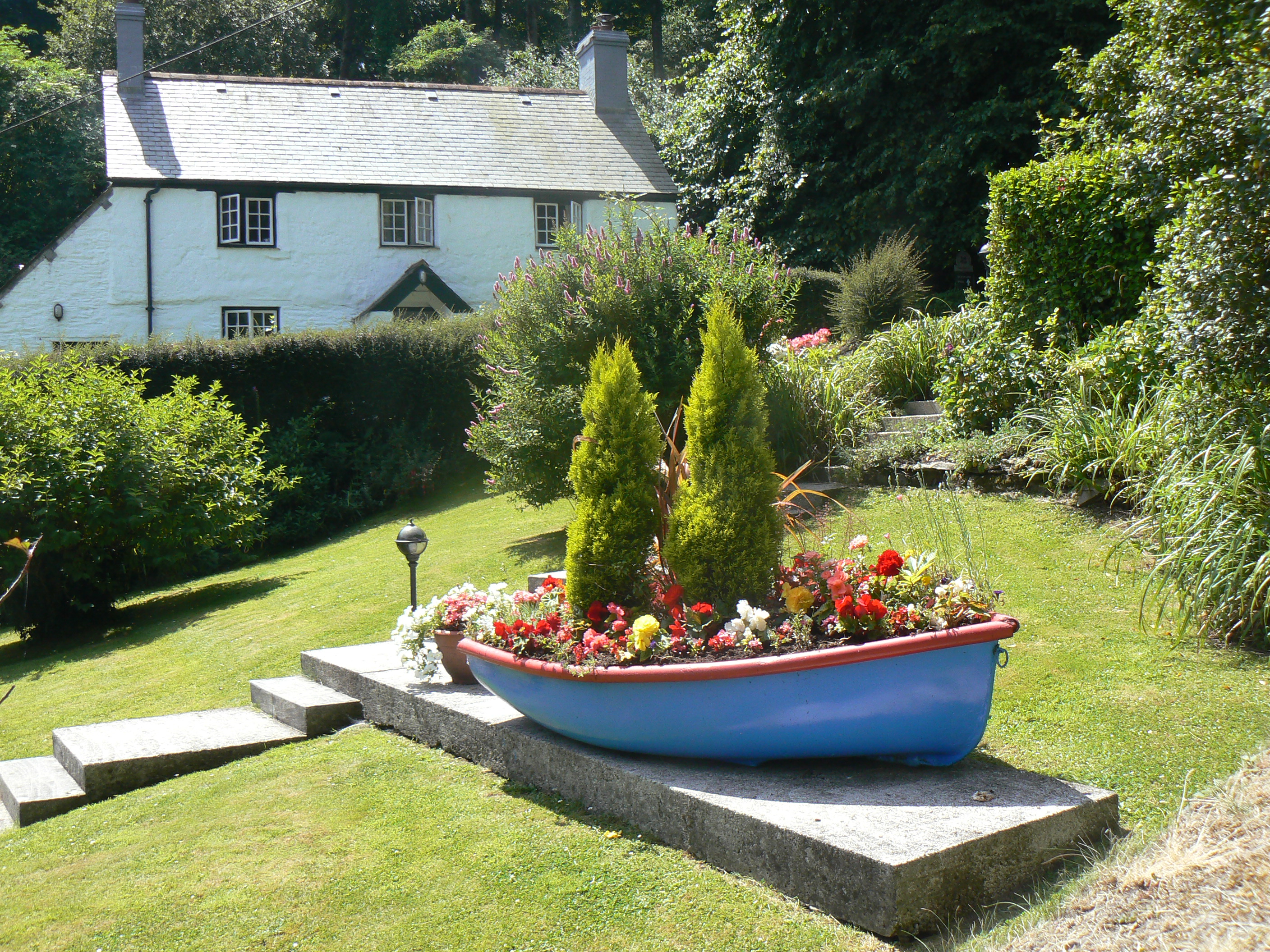
So this week’s photo challenge was to illustrate the colours of the rainbow and I think this photo does that. The denim jeans qualify as Indigo while all the other colours of the rainbow are in the playmat. but just in case you want more I have added a little group of colourful shots below.






 Heavenhappens